Fashion Trends 2025: Style Meets Comfort
The fashion landscape of 2025 is undergoing a fundamental transformation, moving far beyond fleeting runway spectacle to embed deeper values of sustainability, authenticity, and conscious living. This pivotal shift represents a systemic rejection of the high-waste, high-turnover model of fast fashion, instead favoring a mindful, intentional approach to building a personal wardrobe that reflects one’s identity and ethics.

The Era of Eco-Conscious Textiles and Ethical Production
At the core of this evolution is the prioritization of eco-friendly materials. Fabrics like organic cotton, recycled polyester, bamboo, hemp, and innovative bio-based textiles are transitioning from niche alternatives to mainstream staples. This adoption is driven not merely by environmental necessity but by consumer demand for superior quality, comfort, and a transparent supply chain.
The new standard of luxury is defined by ethical production and radical transparency. Consumers are increasingly scrutinizing the origins and manufacturing processes of their clothes, empowered by technologies like blockchain that offer verifiable traceability. This demand for accountability pushes brands towards:
- Circular Fashion Models: Designing for longevity, incorporating take-back programs, and focusing on garments that can be recycled or upcycled, thereby closing the loop and significantly reducing textile waste.
- Fair Labor Practices: Ensuring workers throughout the supply chain receive fair wages and operate in safe conditions, directly combating the exploitation long associated with mass production.
- Resource Conservation: Implementing waterless dyeing techniques, using renewable energy, and adopting zero-waste pattern-making to minimize the environmental footprint of garment creation.
Style Defined by Inclusivity and Comfort
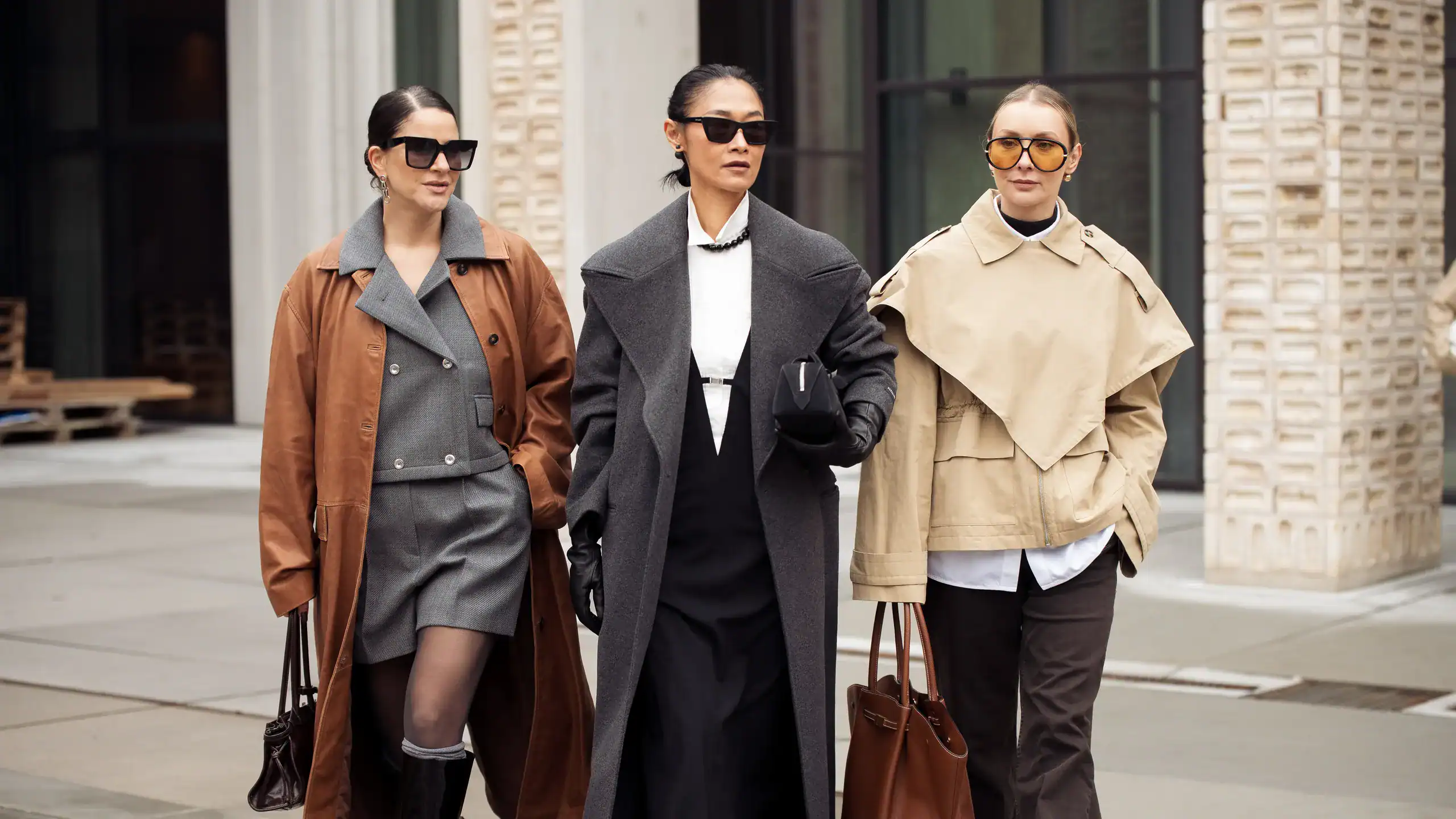
Fashion in 2025 is characterized by a liberation from rigid, traditional norms. Gender-neutral and inclusive designs are gaining massive momentum, with clothing that celebrates fluidity and self-expression without the constraints of “men’s” or “women’s” labels. Oversized silhouettes, relaxed tailoring, and neutral, versatile color palettes offer universal wearability and champion the idea that clothing should fit the person, not the gender.
Furthermore, comfort is now synonymous with chic. The post-athleisure movement has fully cemented the dominance of practical, feel-good clothing. Wardrobes are filled with:
- Effortless Elegance: Soft, flowing silhouettes, wide-leg trousers, luxurious knitwear, and elevated loungewear that blend ease of movement with sophistication.
- Functional Pieces: Utilitarian items like cargo pants are reinterpreted in premium, comfortable fabrics, providing both style and practicality for a multifaceted life.
- Sensible Footwear: The trend rejects impractical heels in favor of comfortable, ergonomic options like chunky sneakers, artisan-crafted loafers, and arch-support sandals that are built to be worn all day.
The Investment in Meaningful Wardrobes
The overarching principle of 2025 fashion is quality over quantity. Consumers are increasingly adopting the “buy less, choose better” philosophy, moving away from impulsive purchases toward a curated, capsule wardrobe mindset. Timeless pieces that transcend seasonal trends are seen as a worthwhile investment.
This intentional consumption fuels the growth of secondary markets:
- Thrifting and Second-Hand: Shopping from vintage stores and resale platforms is not just economical but a highly fashionable, eco-responsible choice, extending the life cycle of garments and fighting the throwaway culture.
- Upcycling and Repair: Consumers are embracing the process of repurposing and repairing old clothes, viewing imperfections and unique alterations as a badge of authenticity and personal creativity.
Accessories reflect this shift toward authenticity and individuality, with statement pieces favoring artisanal jewelry, handmade crafts, and smart wearables over mass-produced items.