Essential Car Maintenance Tips Every Driver Should Know
Owning a car is a delicate balance of convenience, freedom, and significant responsibility. While modern vehicles are engineered with sophisticated technology and impressive durability, regular, systematic maintenance remains the absolute key to ensuring they operate efficiently, maintain peak safety standards, and serve you reliably for as long as possible. Many drivers dangerously underestimate the importance of routine upkeep, often leading to sudden, high-cost repairs, unexpected roadside breakdowns, and accelerated depreciation of the vehicle’s value. Understanding and consistently applying a few essential car maintenance tips can make the difference between a smooth, stress-free driving experience and a financially burdensome ownership journey.
The Pillars of Essential Car Maintenance
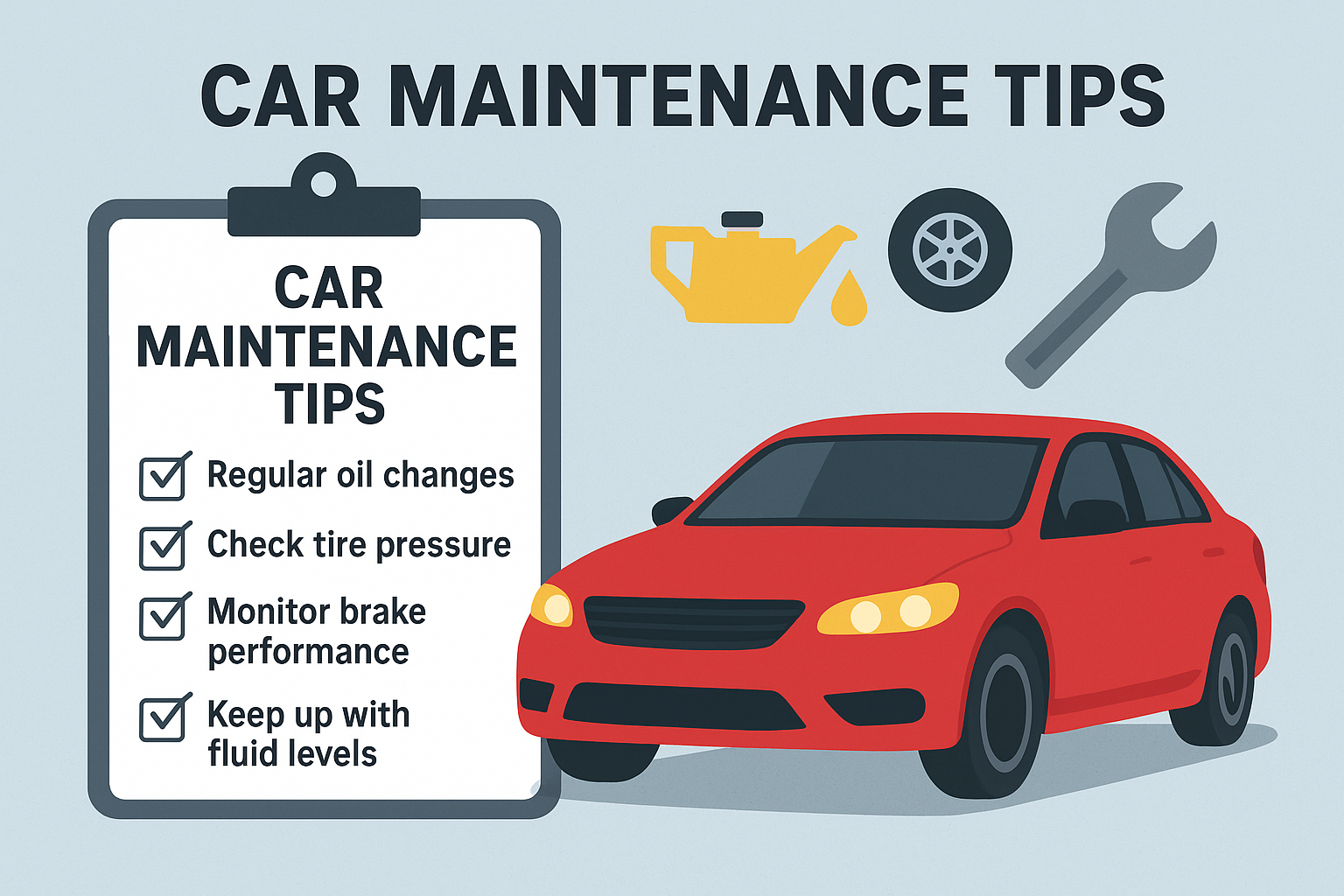
Routine car maintenance can be broken down into four critical areas that every driver should monitor:
1. Engine Health: The Lifeblood of Your Car
The engine is the heart of your vehicle, and regular oil changes are its lifeblood. Engine oil performs several vital functions: it keeps moving parts lubricated to prevent friction, dissipates heat to prevent overheating, and cleans the engine by suspending contaminants.
- Oil and Filter: Over time and with use, oil breaks down, becomes contaminated, and loses its viscosity and effectiveness. Ignoring this breakdown can lead to severe engine damage. Most modern vehicles recommend an oil change every 5,000 to 7,000 miles (or every 6 to 12 months, whichever comes first), depending on the oil type (conventional vs. synthetic). Always consult your owner’s manual for the precise recommended intervals for your specific model. Replacing the oil filter simultaneously ensures that any trapped metal shavings or debris are removed, preventing them from circulating back into the engine.
- Other Fluids: Never neglect other crucial fluids, including the coolant (which prevents both freezing and overheating), brake fluid (essential for hydraulic braking power), and transmission fluid (vital for smooth gear shifts and transmission longevity). Check these levels monthly and top them off or replace them as needed.
2. Tire Care: The Foundation of Safety
Your tires are the only point of contact between your vehicle and the road, directly impacting fuel efficiency, handling stability, and, most importantly, safety.
- Tire Pressure: Properly inflated tires are crucial. Under-inflated tires increase rolling resistance, which reduces fuel mileage, causes excessive and uneven wear, and increases the risk of a dangerous blowout. Check your tire pressure at least once a month and always before long trips, adhering to the pressure specified on the sticker inside the driver’s side door jamb, not the maximum pressure listed on the tire wall.
- Rotation and Alignment: Rotating your tires every 6,000–8,000 miles promotes even wear across all four tires, which significantly extends their overall lifespan. Regular wheel alignment checks ensure that your car tracks straight, preventing rapid, uneven tread wear and improving overall handling.
- Tread Depth: Always inspect the tread depth. Worn-out tires drastically compromise grip and braking ability, particularly on wet or icy roads. Most jurisdictions have a legal minimum tread depth, but replacement is recommended well before that point for optimal safety.
3. Brake System Maintenance: Your Primary Safety Feature
The ability to stop quickly is non-negotiable. Brake maintenance is a safety imperative that should never be deferred.
- Warning Signs: Be immediately attentive to warning signs: a squealing, grinding, or scraping noise when braking, a brake pedal that feels spongy or sinks to the floor, or a steering wheel that pulls to one side during braking.
- Pads and Rotors: Replacing brake pads on time is not just a matter of safety; it also prevents the metallic backing of the worn pads from scoring and damaging the expensive rotors. Regular inspection ensures that rotors and calipers are functioning correctly and that your brake system provides reliable, consistent stopping power.
4. Electrical and Visibility Components
Small components are often overlooked but can lead to immediate, immobilizing failures.
- Battery Health: A weak or dead battery is a common cause of unexpected stranding. Regularly clean any white or blue corrosion from the terminals, ensure the cable connections are secure, and have the battery’s charge and cold-cranking amps tested, especially before winter. Most car batteries last between three to five years, but extreme temperatures can shorten this span. Proactive replacement is far cheaper and less stressful than a sudden failure.
- Wipers and Lights: Ensure all exterior lights (headlights, brake lights, turn signals) are working correctly for visibility and compliance. Replace wiper blades at the first sign of streaking or skipping, as clear visibility is paramount to safe driving.
The Financial Logic of Prevention
Car maintenance is not a complicated science—it’s an exercise in being consistent and attentive. The overall message is simple: Preventive care saves money in the long run. A small, affordable expense like an oil change prevents a catastrophic, multi-thousand-dollar engine replacement. Addressing a squealing brake pad saves you from having to replace the more costly rotors.
A well-maintained car not only runs better, is safer to operate, and provides immense peace of mind, but it also consistently retains its value better than a neglected one. For every driver, routine car upkeep is a smart, non-negotiable investment.