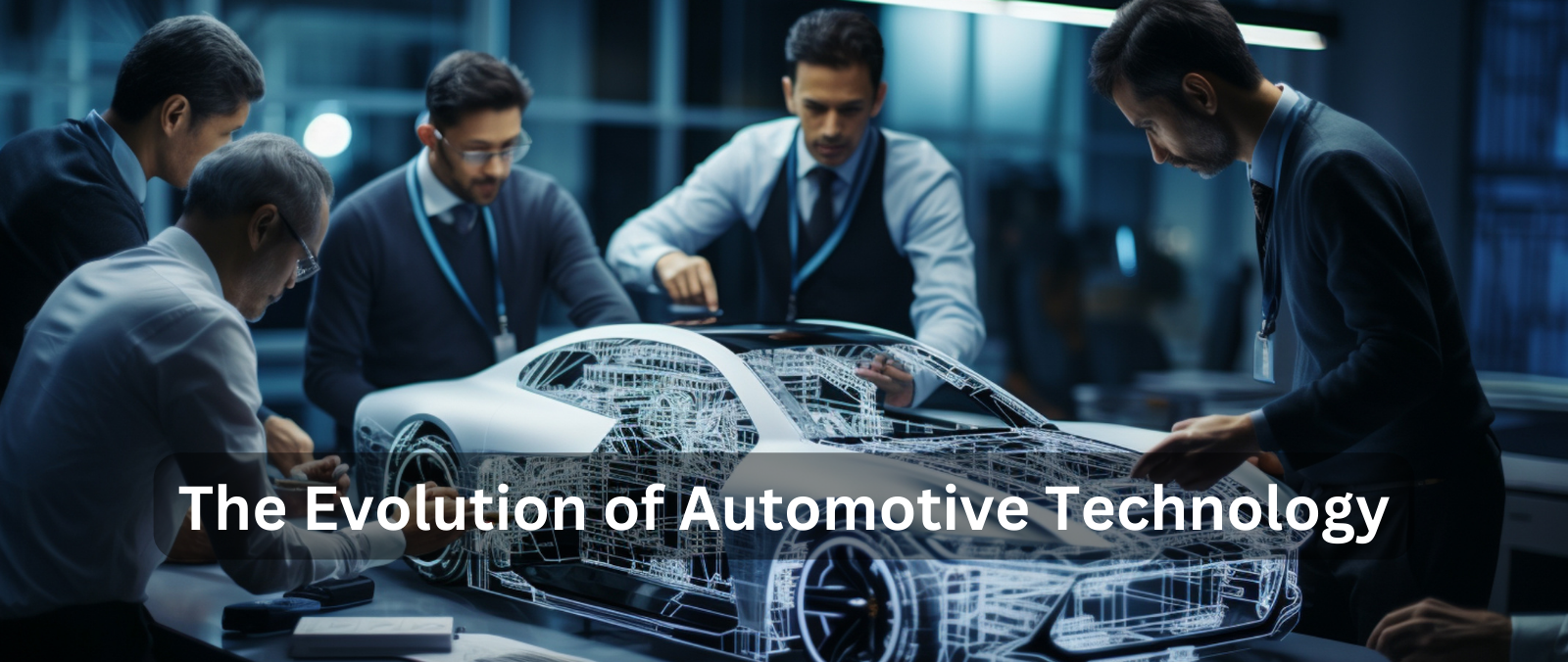
The Evolution of Car Technology: From Combustion Engines to Smart Vehicles
The evolution of car technology over the past century has fundamentally transformed the driving experience, taking vehicles from simple mechanical machines to highly intelligent, connected systems that integrate safety, convenience, and sustainability in ways previously unimaginable. In the early days of the automobile, the primary focus was on improving engine performance, fuel efficiency, and basic safety features, with cars being largely mechanical devices requiring constant manual attention and maintenance. Early milestones, following the invention of the internal combustion engine in the mid-19th century and Karl Benz’s first patent motorwagen in 1886, focused on mass production with the Ford Model T and the introduction of fundamental conveniences like the electric starter and power steering.
Over time, the industry’s focus shifted dramatically to safety, leading to technological advancements such as the three-point seatbelt (1959), anti-lock braking systems (ABS), airbags, and eventually, the ubiquitous electronic stability control (ESC). ESC, in particular, proved to be a revolutionary safety feature, automatically applying brakes to individual wheels and adjusting engine power to counteract skidding and help drivers maintain control during challenging conditions, significantly reducing the probability of loss-of-control accidents and rollovers. These innovations greatly enhanced safety and handling, making driving both safer and more predictable.
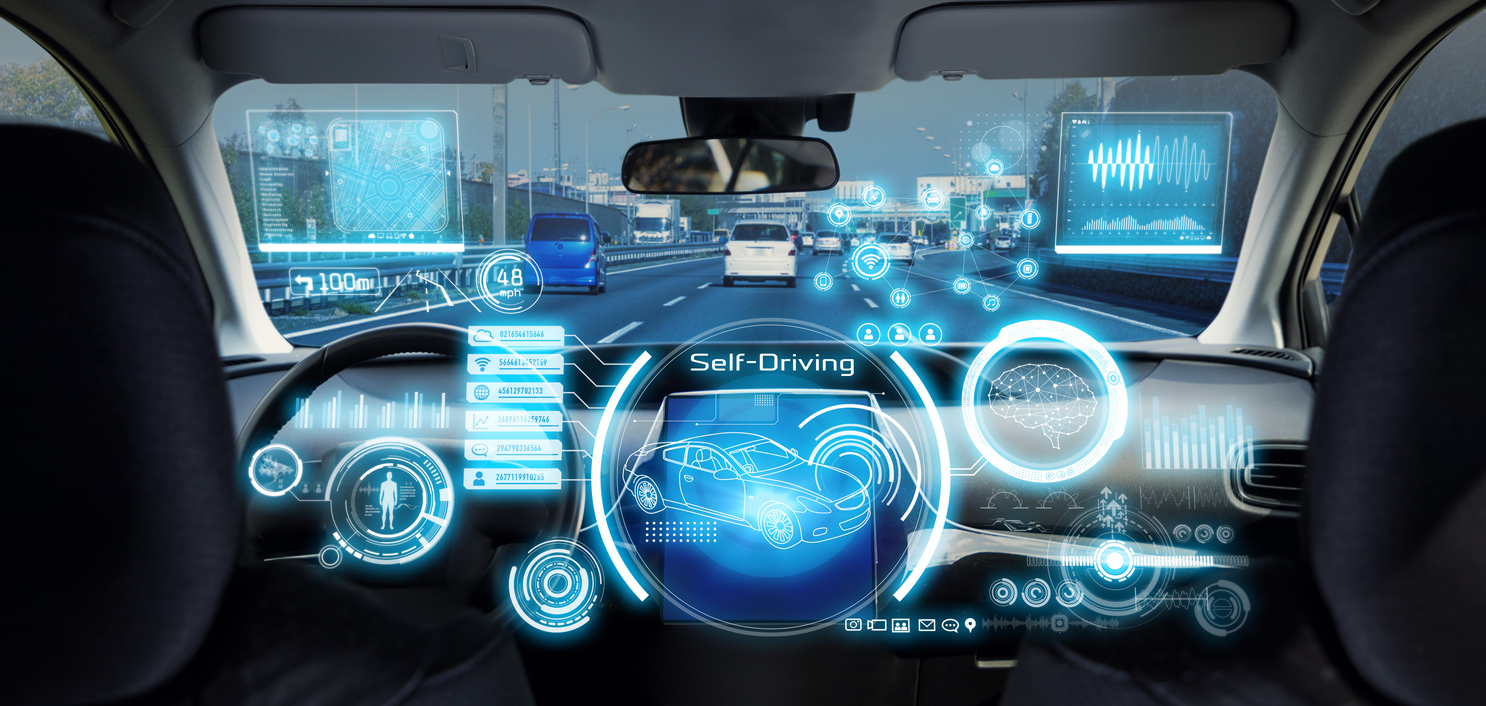
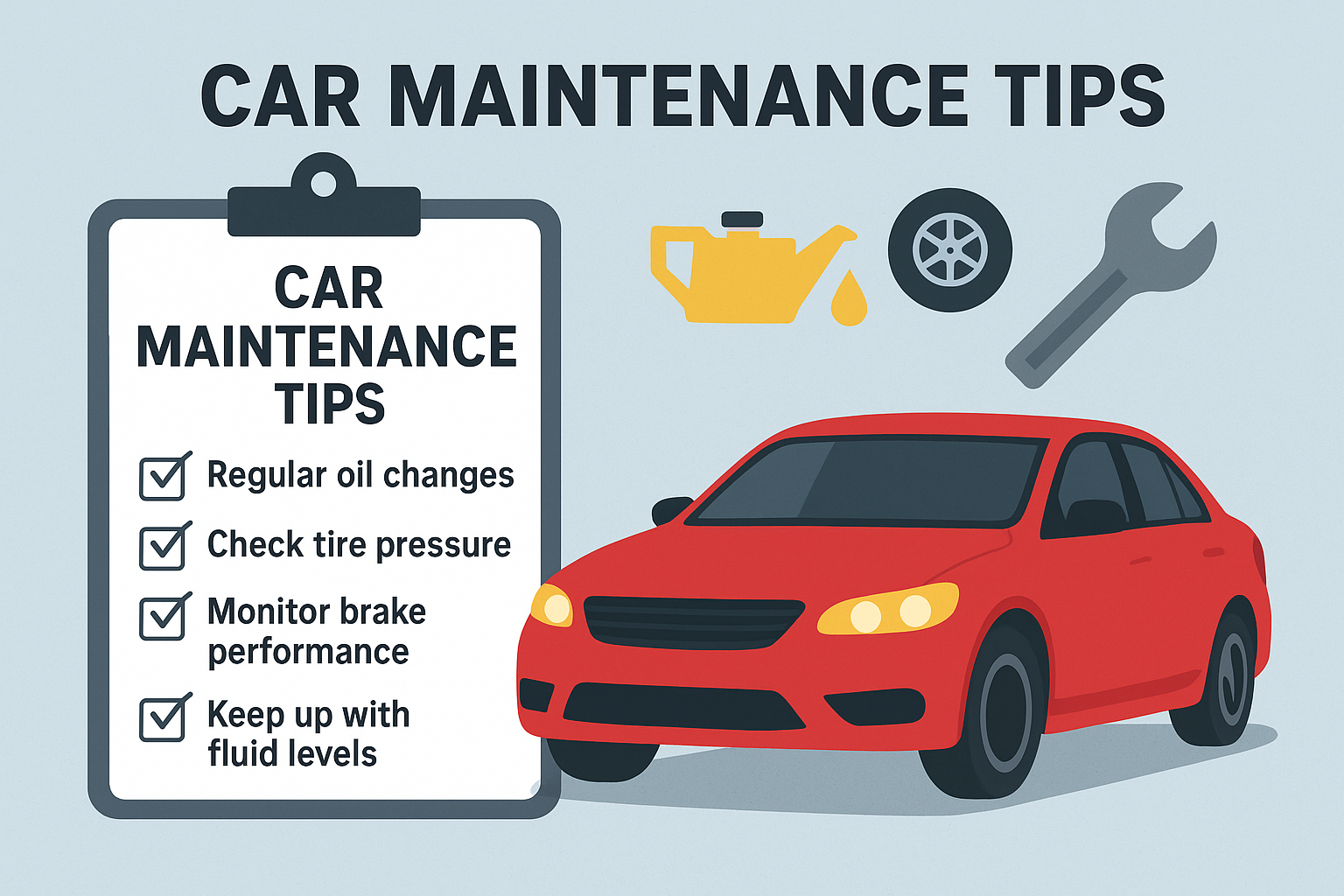
The modern era of automotive technology has brought even more dramatic changes, driven by the digital revolution. Advanced driver assistance systems (ADAS) are reshaping the way drivers interact with their vehicles by automating, adapting, and enhancing vehicle systems to improve safety and comfort. ADAS features, which rely on a sophisticated array of cameras, radar, LiDAR, and sensors, include adaptive cruise control, lane-keeping assist, blind-spot detection, and automatic emergency braking. These systems act as a proactive co-pilot, mitigating human error—the cause of the vast majority of accidents—and reducing driver workload and fatigue. Cars today are equipped with intelligent dashboards, AI-powered voice assistants, touchscreen infotainment systems, and real-time navigation that seamlessly integrates with smartphones and other digital devices, creating a connected ecosystem that improves convenience and user experience. The integration of telematics further allows for predictive maintenance, remote diagnostics, and fleet management optimization, ensuring that vehicles operate at peak performance while minimizing downtime and unexpected costs.
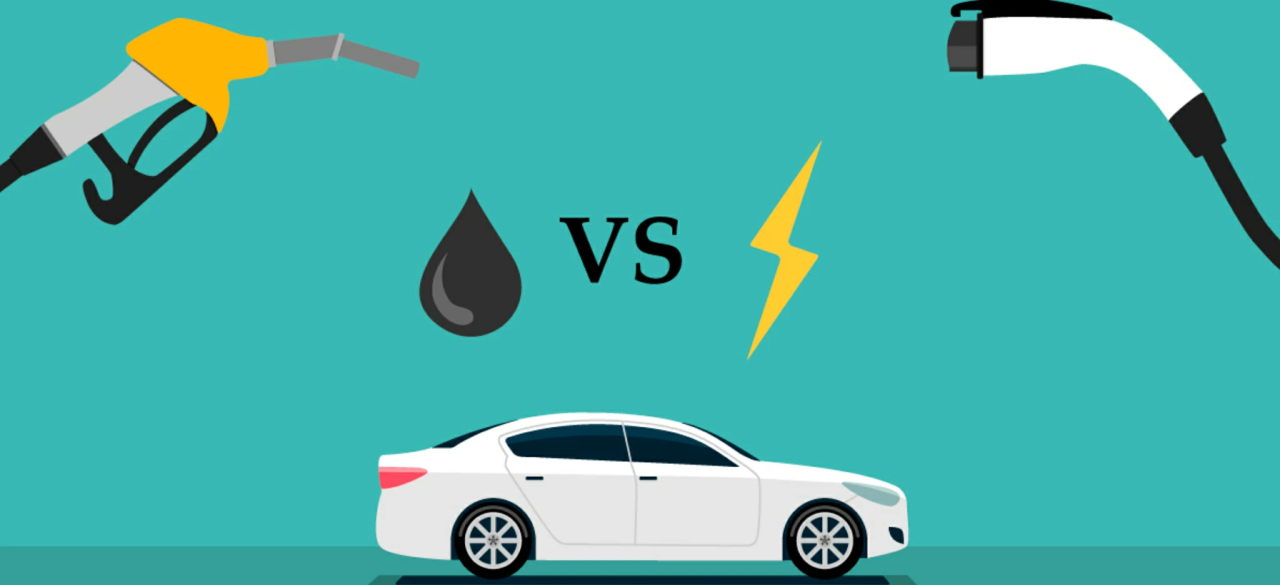
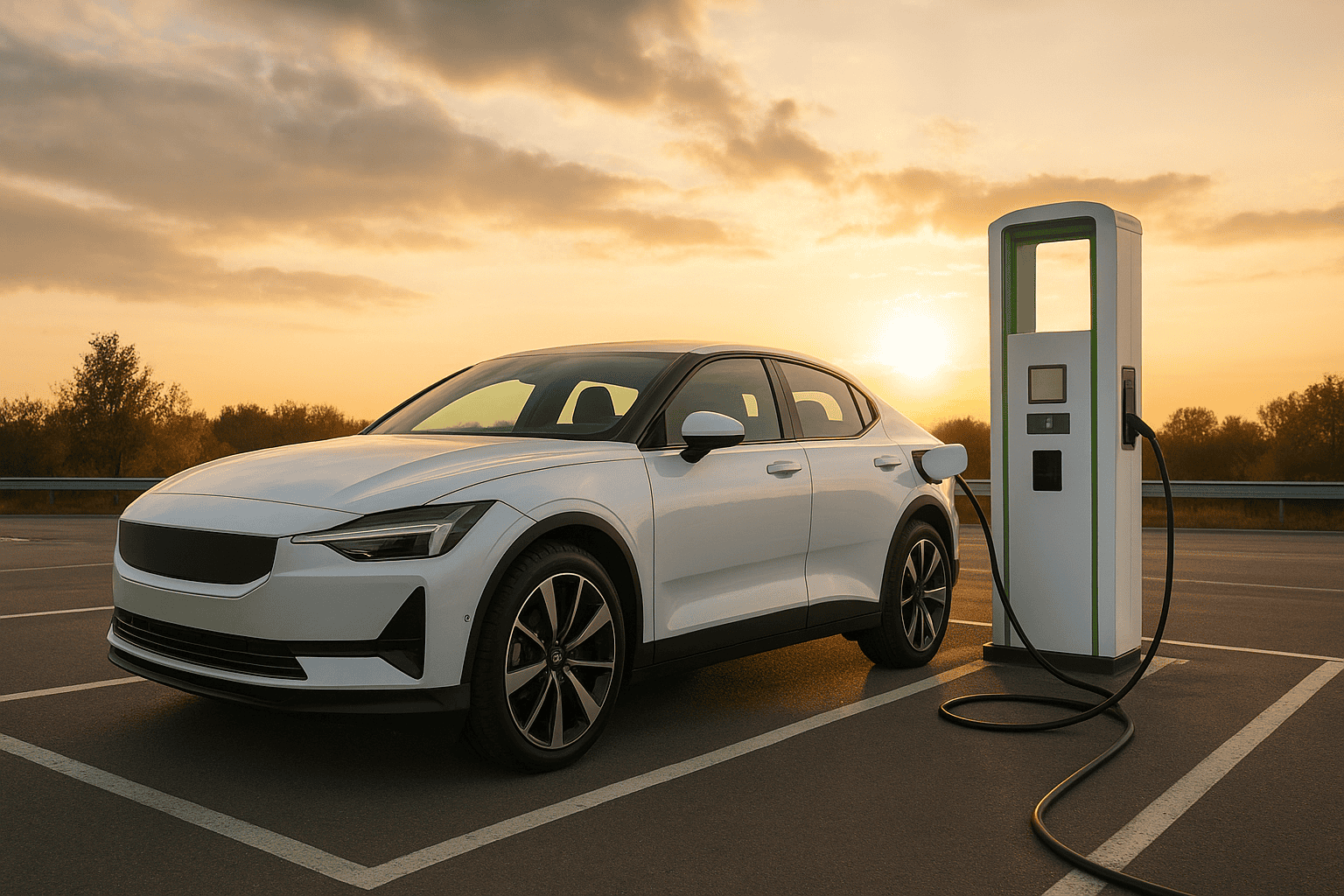
Additionally, hybrid and electric powertrains have revolutionized efficiency and environmental sustainability. While the concept of electric and hybrid cars dates back to the late 19th and early 20th centuries, modern advancements in battery technology, instant torque delivery, and regenerative braking have cemented their role in the present and future of mobility, significantly reducing emissions.
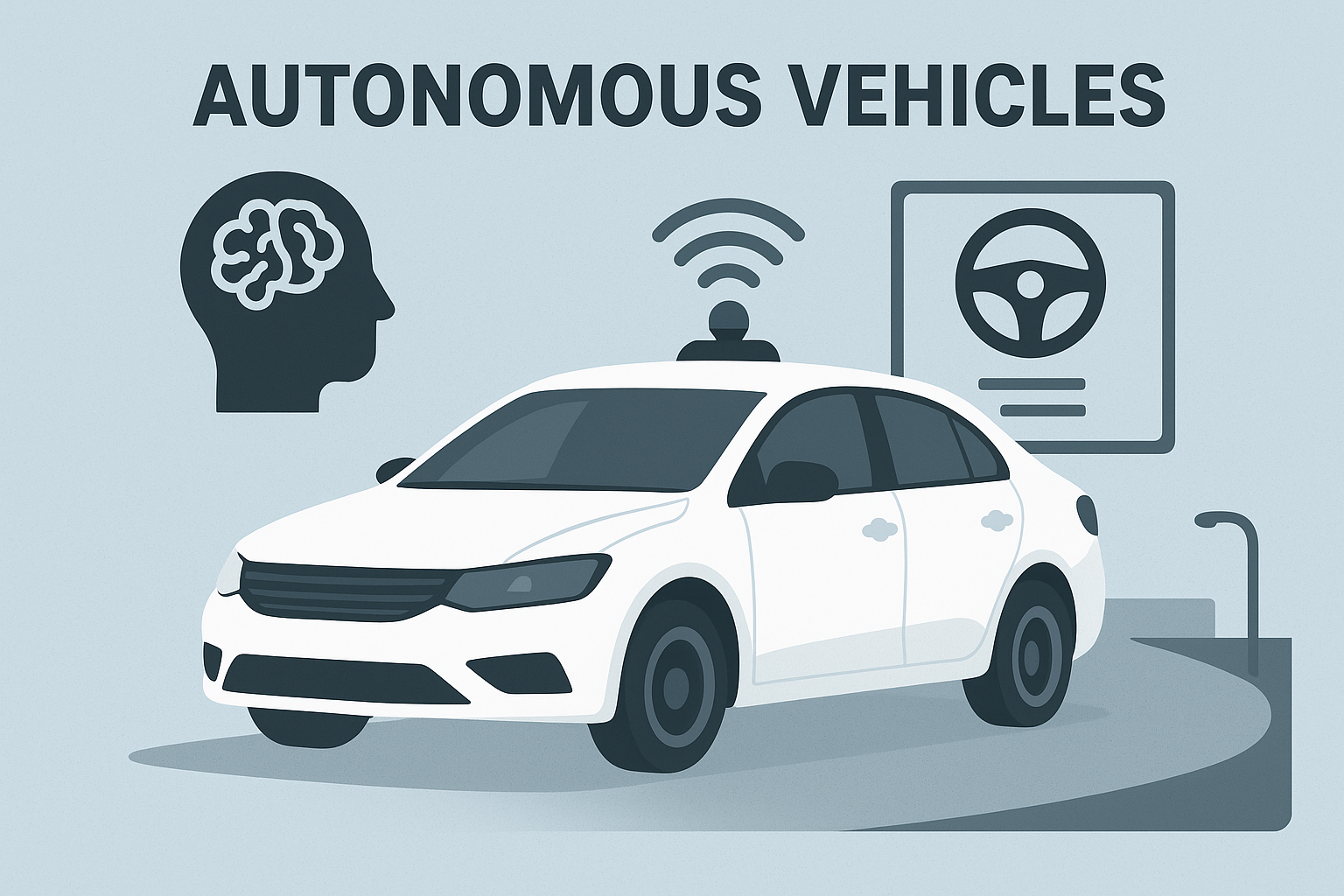
Emerging trends such as fully autonomous vehicles (Level 5 autonomy), smart city integration, and AI-driven traffic management point to a future where cars are not merely a mode of transportation but part of a larger intelligent network. Vehicle-to-Everything (V2X) communication will allow cars to exchange real-time data with other vehicles (V2V), infrastructure (V2I), and even pedestrians (V2P), enhancing road safety, optimizing traffic flow, and reducing congestion. This shift has moved the industry’s focus from purely mechanical engineering to software, connectivity, data analytics, and cybersecurity, creating new opportunities in machine learning and mobility services. As vehicles continue to evolve, the driver’s role is gradually transitioning from manual control to supervision of intelligent systems, emphasizing decision-making, situational awareness, and interaction with automated technologies. Ultimately, the evolution of car technology demonstrates a continuous commitment to innovation, safety, and sustainability, promising a future where mobility is not only faster and more efficient but also smarter, greener, and more responsive to the dynamic needs of modern society, reshaping how people live, work, and move in ways that continue to inspire the next generation of automotive engineers, designers, and drivers.