The Autonomous Revolution: Reshaping Mobility and Society
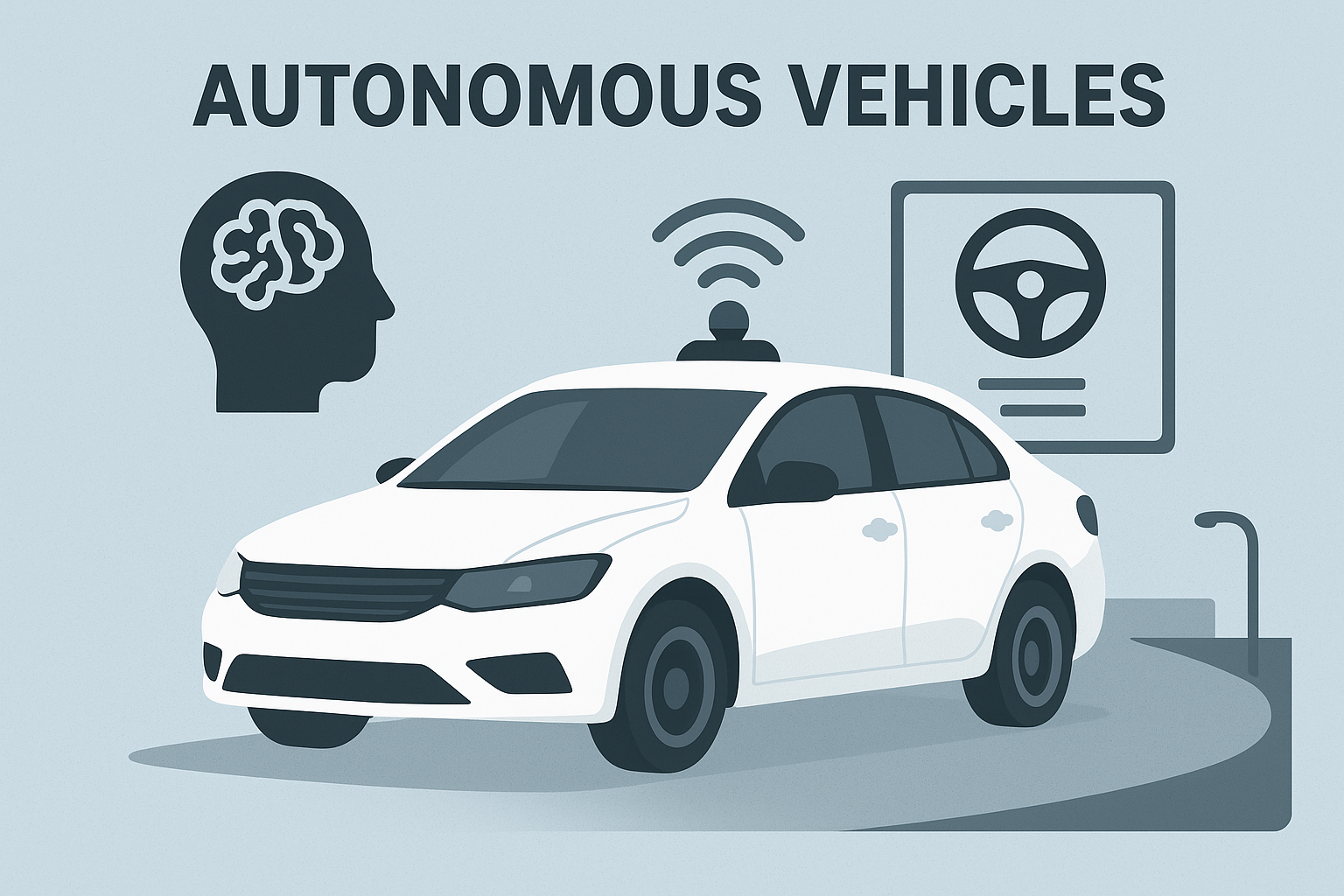
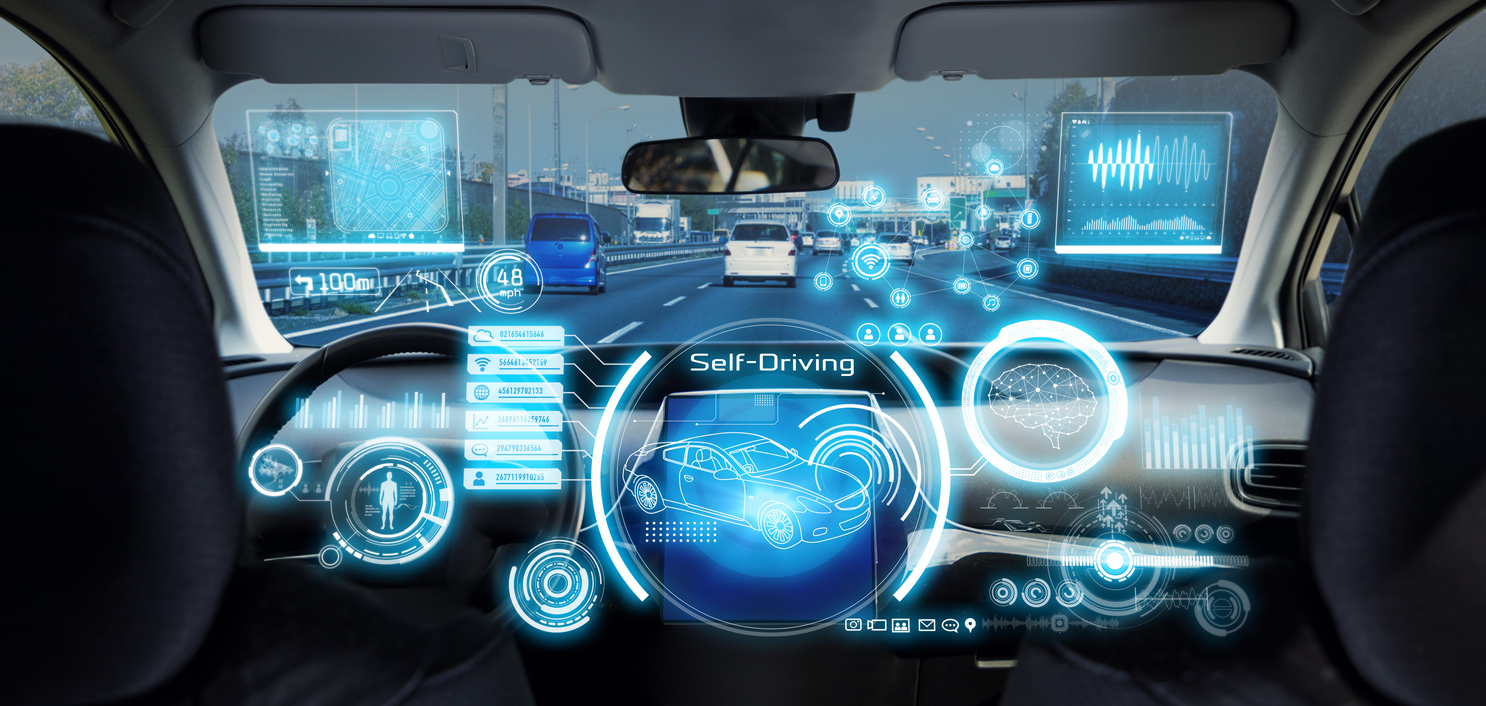
Autonomous vehicles, or self-driving cars, represent one of the most ambitious and transformative innovations in the automotive industry, promising to fundamentally change the way people travel, improve road safety, and reshape urban mobility on a global scale. These vehicles rely on an intricate combination of sensors, cameras, radar, artificial intelligence, and machine learning algorithms to navigate roads, interpret traffic signals, detect obstacles, and make real-time decisions with minimal or no human intervention, potentially reducing accidents caused by human error, which is a leading factor in road fatalities worldwide. While the promise of fully autonomous vehicles is exciting, widespread adoption faces several challenges, including regulatory approvals, insurance frameworks, cybersecurity threats, public trust, and the need for infrastructure adaptations such as smart traffic signals and dedicated lanes.

The Intricate Technology Stack
The intelligence of an autonomous vehicle is rooted in an intricate, layered technology stack that mimics and often surpasses human sensory perception and cognitive decision-making:
- Sensing and Perception: AVs rely on a suite of sophisticated hardware for a 360-degree view of their environment.
- LiDAR (Light Detection and Ranging): Uses pulsed laser light to measure distances and create high-definition 3D point cloud maps of the surroundings, essential for precise localization.
- Radar (Radio Detection and Ranging): Emits radio waves to detect the velocity and range of objects, crucial for adverse weather conditions where vision-based systems struggle.
- Cameras (Vision Systems): Provide high-resolution visual data, allowing AI to read lane markings, interpret traffic signs and lights, and classify objects (pedestrians, cyclists, vehicles).
- Localization and Mapping: AVs must know their exact position, a process that involves fusing real-time sensor data with highly detailed, pre-loaded maps. This precision is measured in centimeters, vital for lane keeping and obstacle avoidance.
- Artificial Intelligence (AI) and Decision-Making: This is the “brain” of the vehicle. Machine Learning (ML) algorithms, trained on billions of miles of simulated and real-world data, interpret the perceived environment and execute driving commands. These algorithms handle the complex task of path planning, prediction of other agents’ movements, and real-time throttle/braking control.
This combination aims to eliminate the human error responsible for over 90% of all road accidents, promising a dramatic reduction in road fatalities.
Societal and Economic Transformation
The impact of AV adoption extends far beyond the driver’s seat, signaling deep changes in economic sectors and quality of life:
- Road Safety and Efficiency: The primary benefit is improved safety. Beyond accident reduction, AVs drive more consistently and follow safer headways, leading to smoother traffic flow, reducing the phantom jams caused by erratic human braking, and significantly lowering congestion and travel times.
- Accessibility and Inclusion: Autonomous mobility offers liberation for groups currently unable to drive—the elderly, the differently-abled, and those below driving age. This enhances personal freedom and reduces reliance on specialized transport services.
- Logistics and Freight: The automation of long-haul trucking and last-mile delivery promises immense efficiency gains. Automated platooning (vehicles closely following one another) reduces fuel consumption, while 24/7 autonomous operation cuts down on costly idle time and driver fatigue issues, fundamentally lowering the cost of goods transport.
- Urban Redevelopment: As ownership shifts toward shared, on-demand autonomous fleets, the need for personal parking spaces decreases. This frees up vast tracts of high-value urban land currently dedicated to parking garages and street parking, allowing city planners to reimagine cities with more parks, housing, or pedestrian zones.
Persistent Challenges and Ethical Dilemmas
Despite rapid technological progress, the path to widespread Level 4 (high automation) and Level 5 (full automation) remains steep:
- Regulatory and Legal Frameworks: Governments globally grapple with establishing consistent testing standards and liability models. In an accident, is the liable party the owner, the manufacturer, the software provider, or the repair shop? Current insurance and tort law are not equipped for this complexity.
- The Ethics of Decision-Making (The Trolley Problem): In unavoidable accident scenarios, the AI must make life-or-death trade-offs (e.g., swerve to save the occupant but hit a pedestrian, or vice-versa). The need for a transparent, culturally acceptable, and legally defensible ethical algorithm is a significant hurdle to public trust.
- Cybersecurity: An internet-connected, software-driven vehicle presents a massive surface area for cyberattacks. Protecting the vehicle’s integrity, communications, and sensor data from hijacking or manipulation is critical to prevent malicious large-scale incidents.
- Weather and Edge Cases: Current systems perform well in predictable conditions but struggle with “edge cases”—unusual or rare events like blinding snowstorms, obscured lane markings, or a child darting out from behind a parked bus. Ensuring reliability in these zero-tolerance situations demands enormous computational and validation efforts.
In conclusion, the rise of the autonomous vehicle is more than an evolution; it is a full-scale revolution. It promises a fundamental reimagining of transportation as a service that is safer, more efficient, and inclusive. While the technical sophistication is largely in place, the successful integration of AVs into society hinges on successfully addressing the interwoven challenges of regulation, ethics, public acceptance, and robust security architecture. The ongoing transition will define the next century of urban life.