The Future of Autonomous Vehicles: Driving into Tomorrow
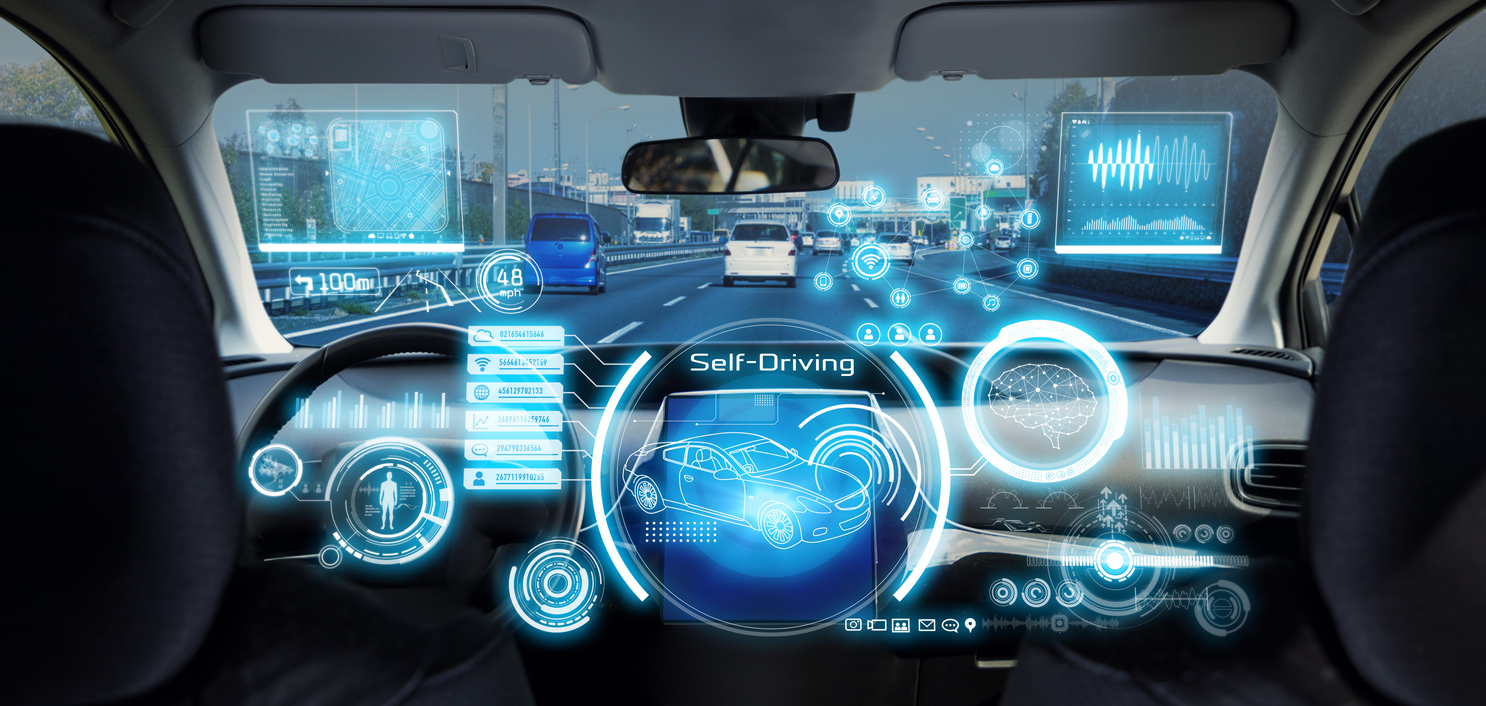
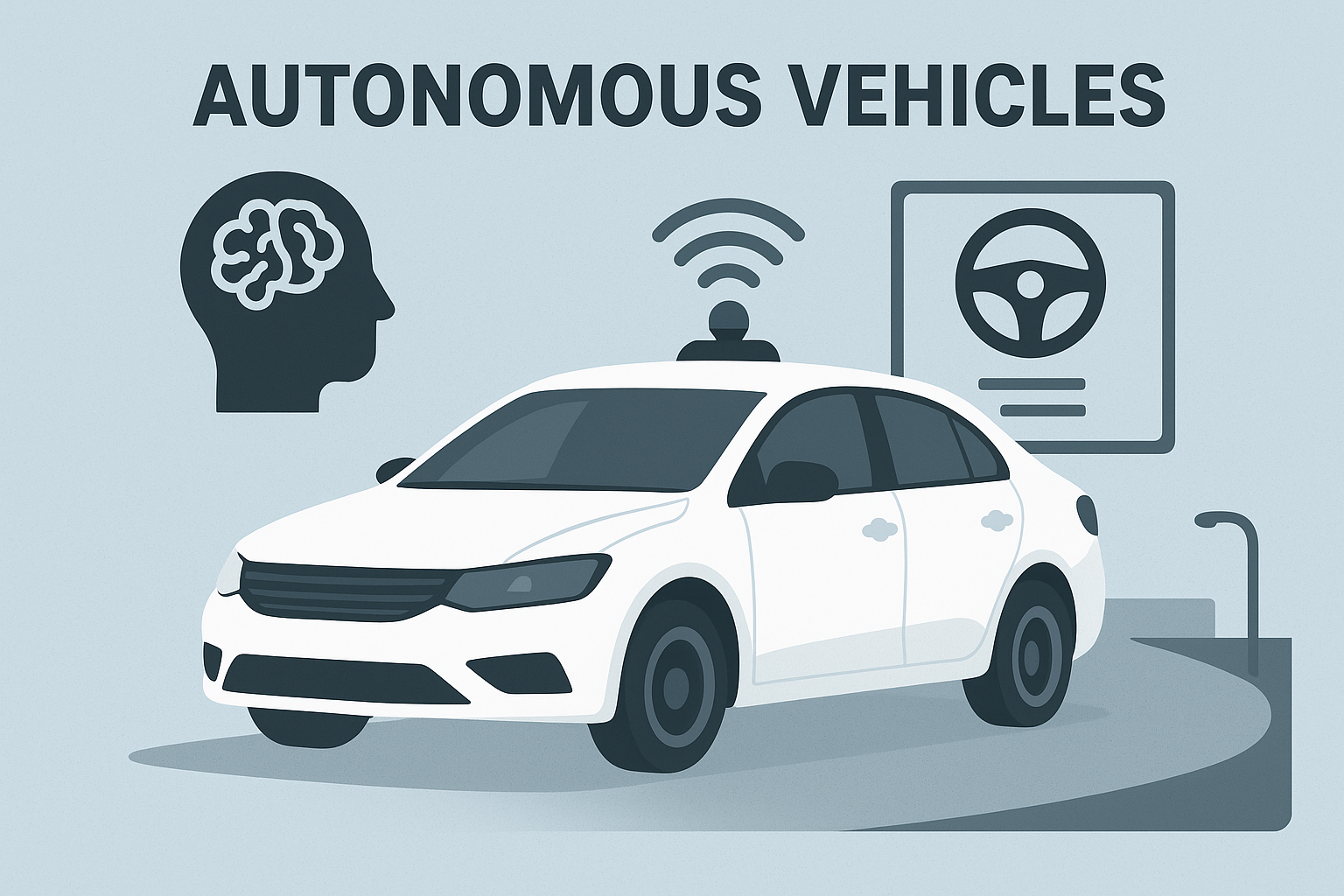
The global automobile industry is currently undergoing one of the most profound transformations in its history, and at the epicentre of this revolution lies the development of autonomous vehicles (AVs). Often referred to as self-driving cars, these advanced machines are meticulously designed to navigate, perceive, and operate dynamic environments entirely without the need for continuous human input. This technology relies on a complex, interdependent ecosystem of sophisticated sensors, cutting-edge artificial intelligence (AI), and continuous machine learning (ML) algorithms. While the concept of a car that drives itself was once confined to the pages of science fiction, it is rapidly transitioning into a tangible reality, with industry giants like Tesla, Waymo (Google’s self-driving division), and established traditional automakers such as General Motors and Mercedes-Benz collectively investing billions in focused research and development.

The Technological Core of Autonomous Driving
The functionality of autonomous driving hinges on the seamless integration of several high-tech components:
- Sensing Systems: Modern AV prototypes utilize a layered array of sensors to create a detailed, real-time map of their surroundings. This includes high-resolution cameras for visual processing, radar for measuring velocity and distance, and LiDAR (Light Detection and Ranging) systems, which use pulsed laser light to generate precise, three-dimensional maps of the environment.
- Artificial Intelligence (AI): The colossal amounts of data streamed from these sensors are fed into a powerful central AI processing unit. Machine learning algorithms, trained on billions of miles of real-world and simulated driving data, enable the vehicle to interpret complex scenarios, predict the movements of other road users, and make critical, split-second operational decisions—whether it’s stopping instantly at a sudden red light, performing an evasive maneuver to avoid a pedestrian, or smoothly merging onto a high-speed highway.
- Connectivity and Localization: Precise Global Positioning System (GPS) coupled with High-Definition (HD) maps ensure the car always knows its exact location. Future systems will be heavily reliant on Vehicle-to-Everything (V2X) communication, allowing cars to exchange data with traffic infrastructure (V2I) and other vehicles (V2V), vastly improving situational awareness and collaborative road safety.
The ultimate technological goal is not merely to mimic human driving skills, which are prone to distraction and fatigue, but to surpass them in terms of both consistent safety and optimal efficiency.
The Transformative Promise: Safety and Urban Design
The single biggest promise and motivational driver for autonomous vehicles is a radical improvement in road safety. Statistically, human error—due to distractions, speeding, reckless behaviour, or impaired driving—is implicated in over of all road accidents and fatalities globally. By removing the unreliable human element from the core driving task, autonomous cars could potentially achieve a drastic reduction in collisions and save millions of lives over the coming decades.
Furthermore, AVs hold the potential to profoundly reshape urban life and infrastructure:
- Optimized Traffic Flow: AI-driven vehicles operate with near-perfect reaction times and efficiency, communicating with smart traffic signals to eliminate the stop-start nature of human driving. This could significantly reduce traffic congestion.
- New Urban Mobility: A shift toward shared, autonomous ride-hailing fleets could dramatically reduce the need for individual car ownership. This frees up vast urban space currently dedicated to parking lots and garages, allowing cities to repurpose that land for housing, parks, or commercial use.
- Commuter Productivity: Commuters would gain back countless hours previously lost to driving, allowing them to relax, work, engage in entertainment, or sleep while the vehicle handles the commute, significantly boosting quality of life.
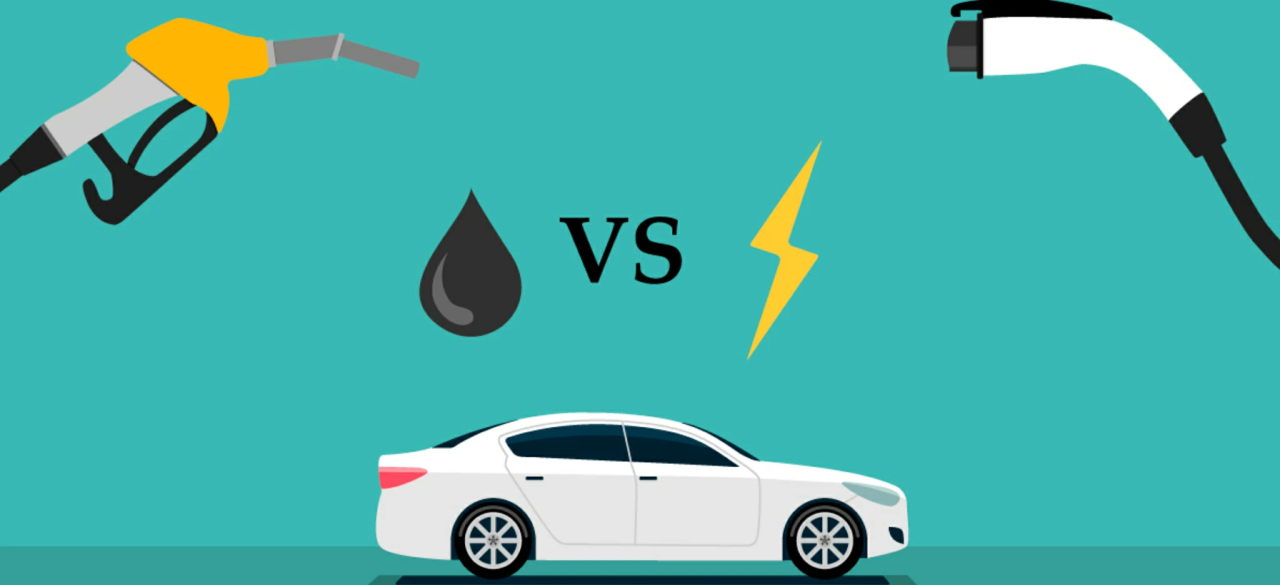
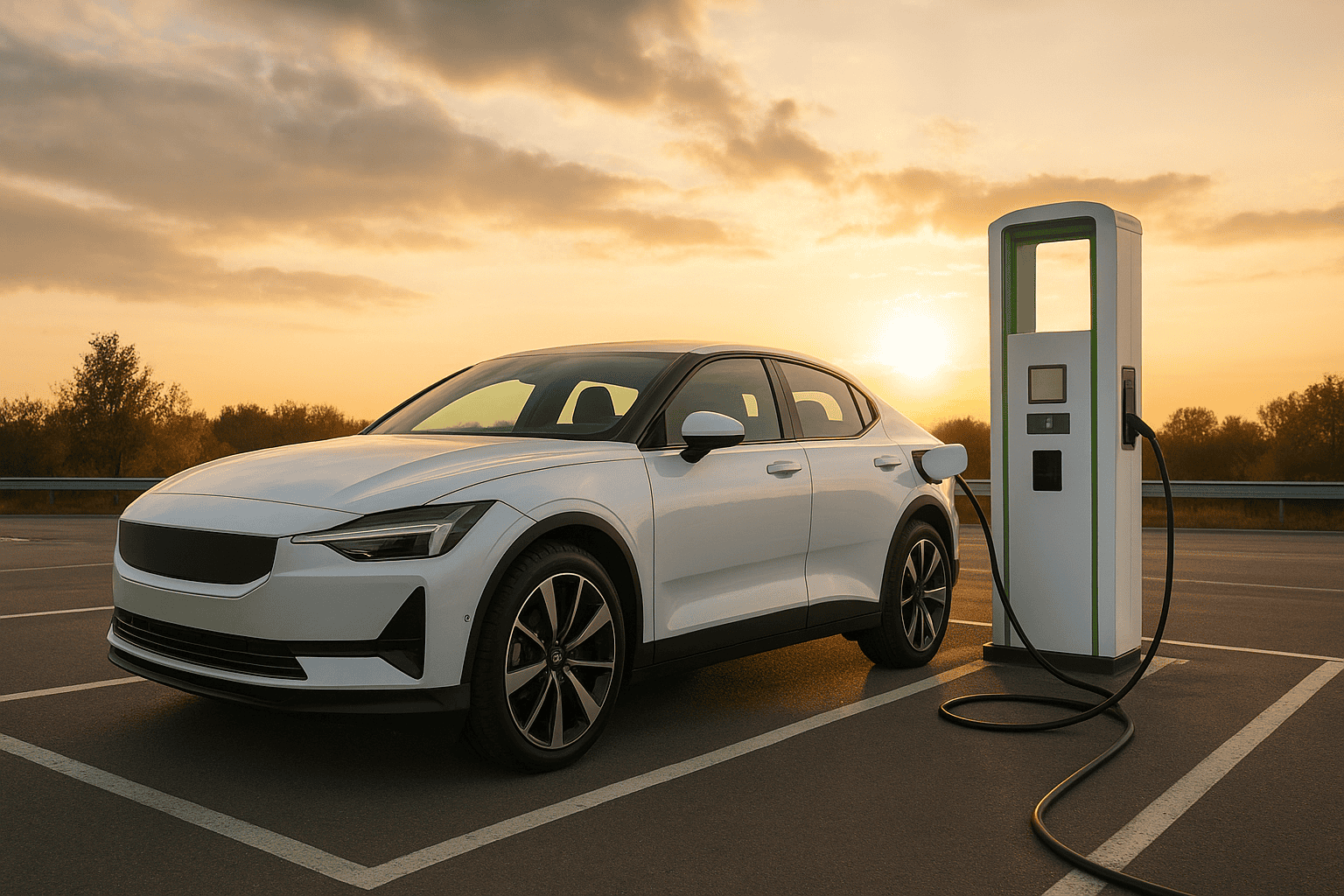
- Environmental Impact: Optimized routes, smoother driving patterns, and the likely integration of AV technology with electric powertrains will lead to lower fuel consumption, reduced congestion, and a marked decrease in pollution.
Challenges and the Road to Full Autonomy
Despite the undeniable progress, the full realization of autonomy is fraught with significant legal, ethical, and technological hurdles:
- Liability and Ethics: One of the most complex challenges is determining legal liability if an AV causes an accident. Is the manufacturer, the software developer, the owner, or the passive occupant responsible? Furthermore, AVs must be programmed with ethical decision-making frameworks, often referred to as the “Trolley Problem”—how should the car be programmed to act in a rare, unavoidable crash scenario involving a choice between two bad outcomes?
- Technological Reliability: Achieving “Level 5” autonomy (full automation in all conditions) requires the systems to handle every conceivable scenario, including severe weather (heavy snow, fog), unmapped construction zones, and unpredictable human behaviour. Absolute, guaranteed reliability in these edge cases remains a monumental technical challenge.
- Infrastructure Investment: Widespread adoption requires massive investment in supporting infrastructure, including high-bandwidth, low-latency 5G network connectivity, smart road sensors, and unified digital mapping standards. This necessitates unprecedented collaboration between global governments, telecommunication companies, and the private sector.
- Public Trust: Overcoming public skepticism and achieving widespread consumer trust in handing over full control to a machine is a psychological hurdle that may take time and flawless safety records to surmount.
The Future Trajectory
Progress, however, is rapid and undeniable. Autonomous technology is already being successfully tested in controlled environments and on limited public routes globally. Many industry experts predict that Level 4 (high automation in defined areas) and Level 5 vehicles could become increasingly mainstream within the next decade. The initial widespread commercial adoption is likely to be seen first in specialized, high-benefit areas such as logistics (long-haul trucking), urban ride-hailing fleets, and public transportation before full individual ownership becomes commonplace.
In conclusion, autonomous vehicles represent far more than a mere evolution in automotive design; they signal a fundamental shift in how society interacts with mobility, urban planning, and, most importantly, safety. They hold the powerful promise of virtually eliminating road fatalities, optimizing the functionality of our cities, and paving the way for a more sustainable future. While significant challenges remain, the journey has definitively begun, and the day when self-driving cars dominate our roads is no longer a question of if, but a determined matter of when.
The automobile industry is undergoing one of the biggest transformations in history, and at the heart of lies autonomous vehicles. Often referred to as self-driving cars, these vehicles are designed to navigate and operate without human input, relying on advanced sensors, artificial intelligence, and machine learning. While the idea once felt like pure science fiction, it is now quickly becoming a reality with major players like Tesla, Waymo, and traditional automakers investing billions in research and development.