
The Rise of Electric Vehicles and Their Impact on the Automobile Industry
Driven by a combination of environmental awareness, technological innovation, and government incentives, electric vehicles, or EVs, have quickly moved from niche markets to mainstream adoption, signaling a shift in consumer priorities from merely horsepower and aesthetics to sustainability, efficiency, and connectivity. Electric vehicles offer numerous advantages over traditional internal combustion engine cars, including lower carbon emissions, reduced fuel costs, quieter operation, and decreased maintenance requirements due to fewer moving parts and no need for frequent oil changes or complex transmission repairs. Automakers around the world are investing heavily in developing advanced battery technologies, fast-charging solutions, and improved energy density to address range anxiety and provide consumers with practical and convenient driving options.

The EV Advantage and Consumer Shift
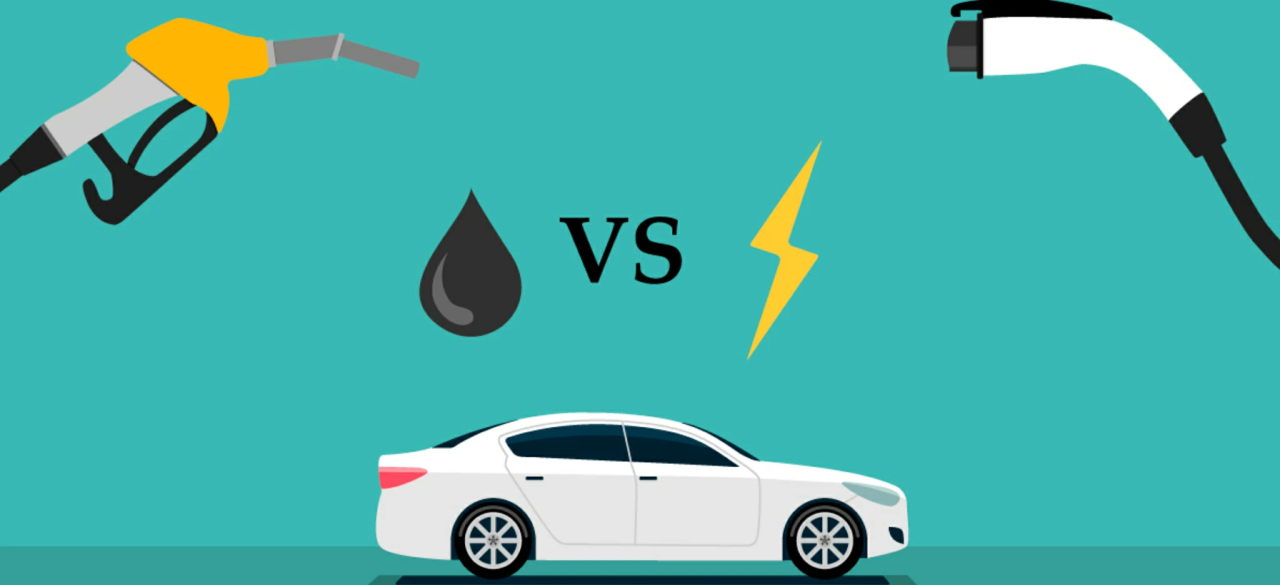
Electric vehicles hold a distinct advantage over their internal combustion engine (ICE) counterparts. Their primary benefits include:
- Environmental Impact: EVs produce zero tailpipe emissions, significantly lowering carbon footprints, especially when powered by renewable energy sources. This directly contributes to cleaner urban air and global efforts to mitigate climate change.
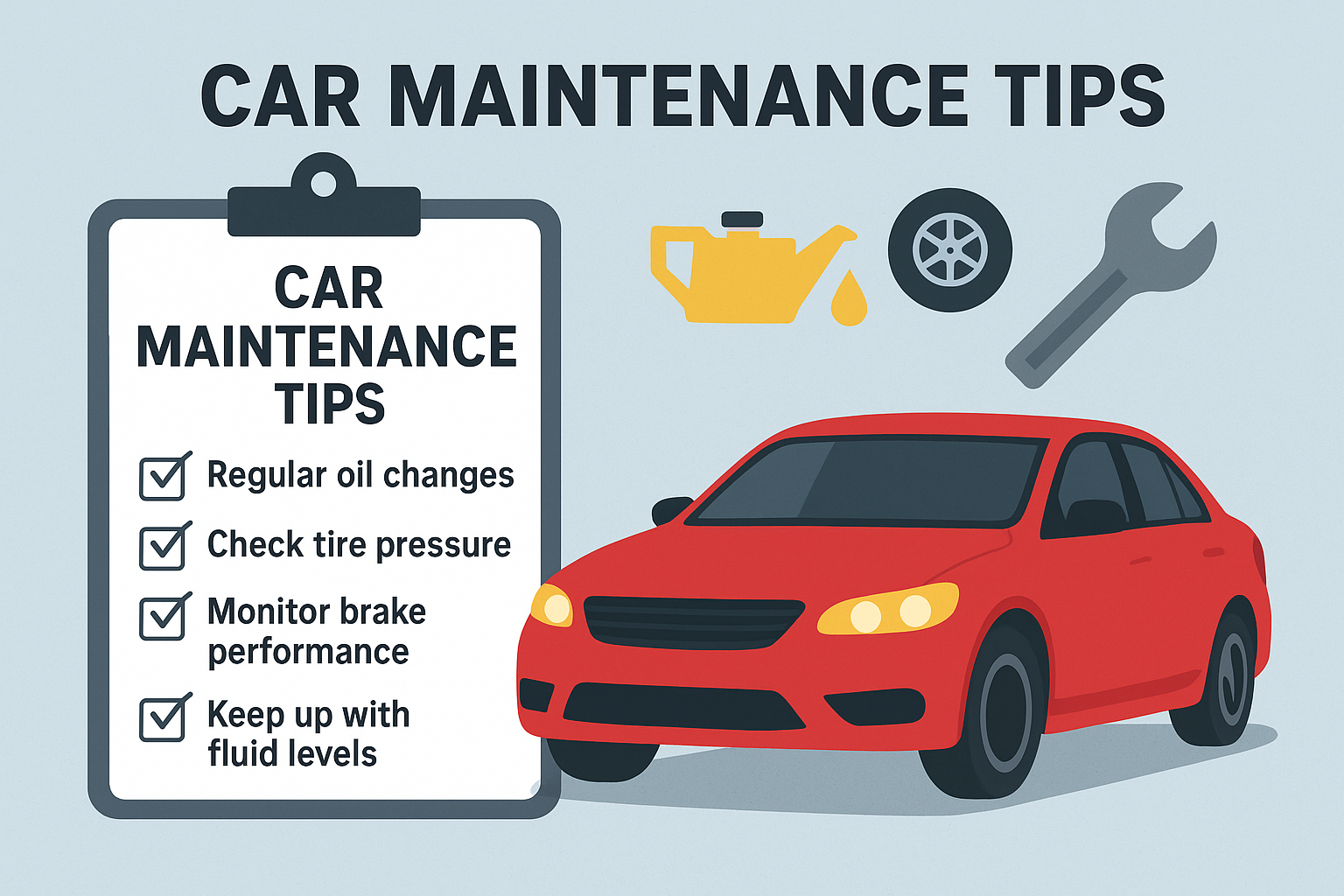
- Economic Savings: Owners benefit from reduced fuel costs (electricity is generally cheaper than gasoline) and decreased maintenance requirements. The simplicity of the electric motor, with its fewer moving parts, eliminates the need for frequent oil changes, complex transmission servicing, and extensive engine repairs, leading to lower total cost of ownership (TCO) over the vehicle’s lifespan.
- Driving Experience: EVs offer instant torque for quick acceleration and operate with significantly quieter performance, enhancing urban tranquility.
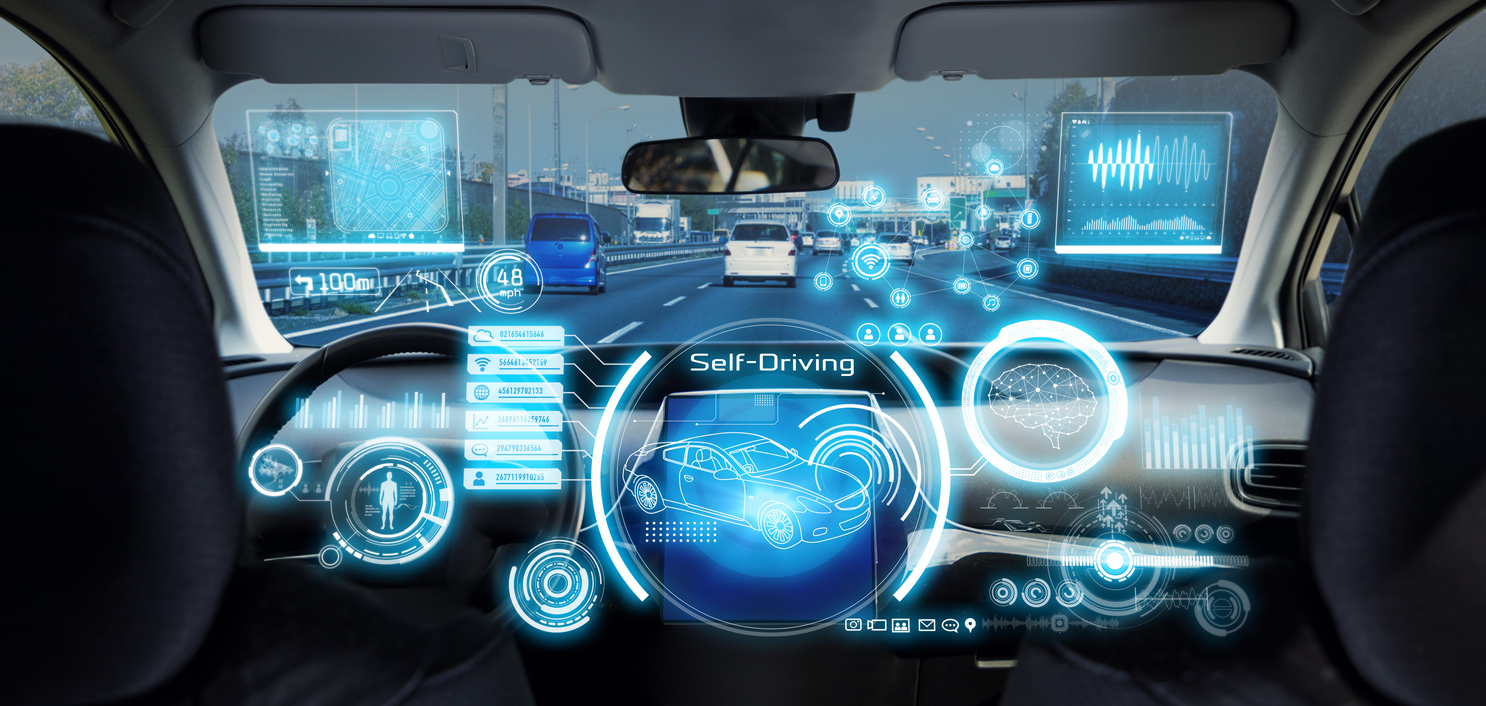
- Technological Integration: Modern EVs are designed as rolling computational platforms, featuring AI-driven dashboards, sophisticated regenerative braking systems that recapture energy, and connected vehicle features that provide real-time diagnostics, remote services, and predictive maintenance.
Consumer priorities have evolved, moving beyond traditional metrics like horsepower and aesthetics to focus on long-term cost savings, sustainability, and enhanced in-car technology. Government incentives and tax credits have also played a crucial role in lowering the initial purchase barrier, accelerating mainstream adoption.
Innovation and Industry Restructuring
Automakers, from established giants to nimble startups, are heavily investing in innovation to overcome current limitations and redefine the driving experience.
- Battery Technology: Development is focused on advanced battery chemistry and manufacturing to improve energy density, which translates to longer driving ranges, directly combating “range anxiety.” Simultaneously, faster-charging solutions are being deployed to reduce charging times, making EVs more convenient for long-distance travel. The global race to secure and manage the supply chain for rare earth metals and raw materials like lithium and cobalt remains a strategic imperative.
- New Market Entrants: Startups and technology companies are disrupting the traditional automotive model with innovative approaches such as subscription-based ownership and smart mobility services. These entrants focus on seamless user experience and deep integration with digital ecosystems, forcing established brands to rapidly pivot their business and design philosophies.
Key Challenges and Global Policy Response
Despite the momentum, widespread EV adoption faces several hurdles:
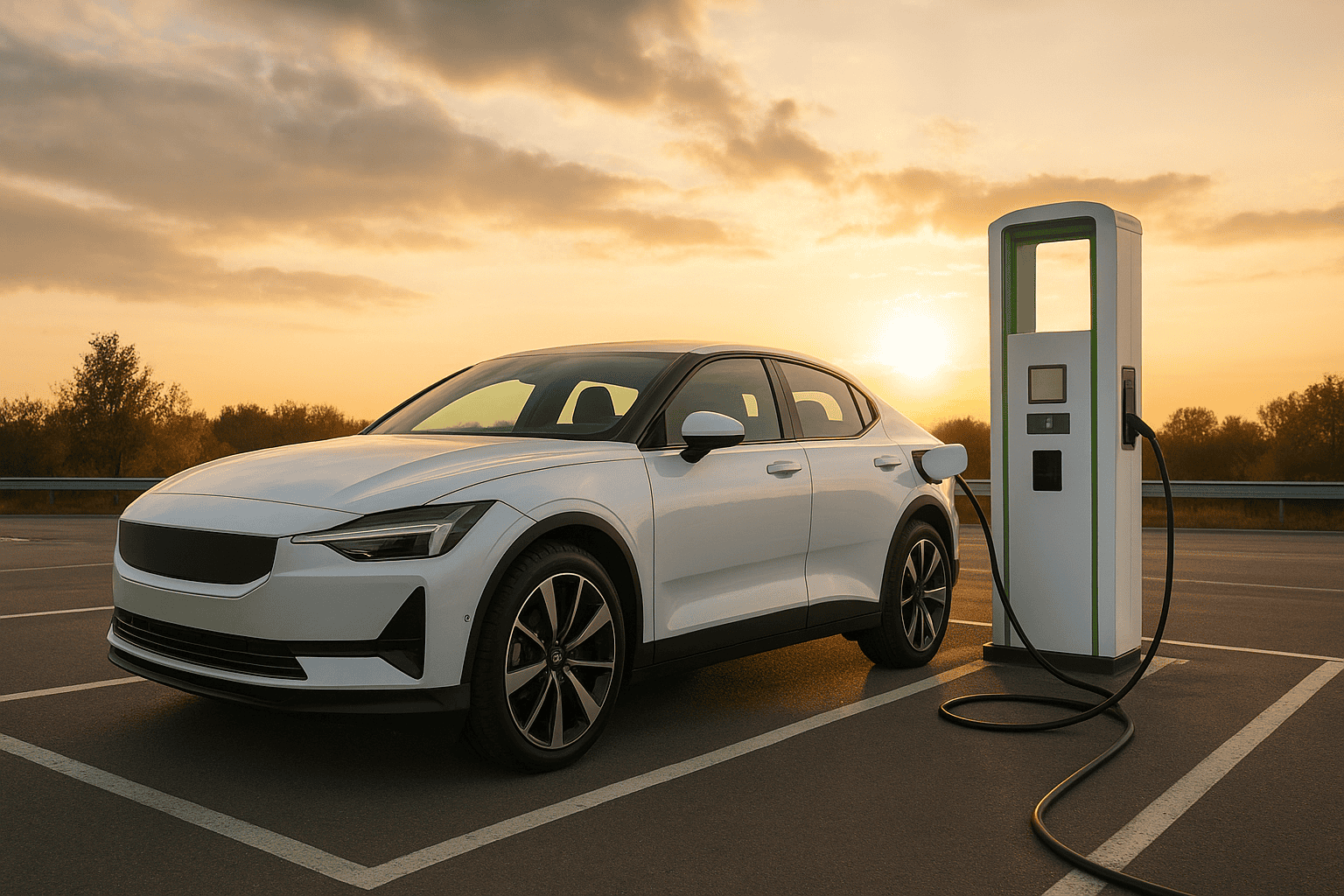
- Charging Infrastructure: A robust and ubiquitous network of public charging stations is essential, particularly in dense urban areas and along major transport corridors, to ensure charging convenience is comparable to gasoline refueling.
- Sustainability of Production: The environmental footprint of battery production and the need for scalable, efficient battery recycling programs are critical challenges that must be addressed to ensure the overall sustainability of the EV lifecycle.
- Power Grid Stress: As millions of EVs plug in, the power grid capacity and stability will be tested. This requires significant investment in grid modernization and the adoption of smart charging solutions to manage increased electricity demand and ensure power quality.
Governments worldwide are actively responding to these challenges by implementing supportive policies, including stricter emissions standards, significant tax incentives, and massive infrastructure projects to build out charging networks.
The Future of Mobility and Energy
The transition to electric vehicles is a catalyst for a broader revolution in energy and urban planning. Looking ahead, this trend will converge with other transformative technologies:
- Vehicle-to-Grid (V2G) Technology: This innovation allows electric vehicles to not only draw power from the grid but also sell stored energy back when parked and connected, effectively turning a fleet of EVs into a vast, distributed energy storage system. V2G can help stabilize the grid, manage peak demand, and maximize the use of intermittent renewable energy sources like solar and wind.
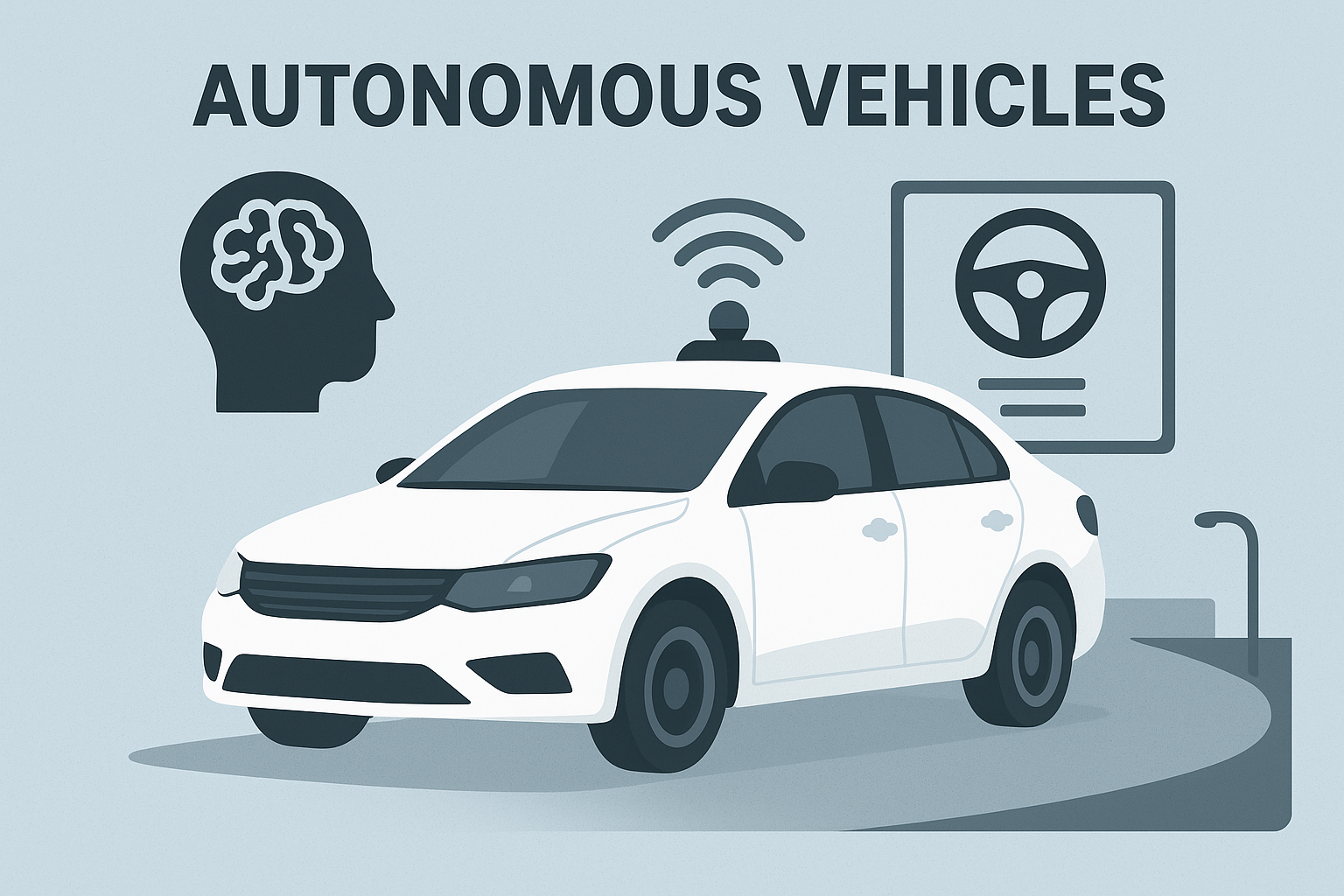
- Autonomous Electric Fleets: The combination of electric power and self-driving technology promises to redefine urban mobility. Autonomous electric fleets, operating as on-demand services, can optimize traffic flow, reduce vehicle ownership needs, and dramatically increase energy and transportation efficiency in cities.
- Sustainable Urban Mobility: EVs will accelerate the creation of smarter, cleaner cities by reducing noise pollution and local air contaminants. This will influence urban planning toward prioritizing public transport, micro-mobility solutions, and shared electric vehicle options.
The ultimate vision is a future where mobility is cleaner, more efficient, and fully integrated with a sustainable energy infrastructure, making EVs an integral foundation of the modern, connected world.