The Rise of Electric Vehicles in 2025
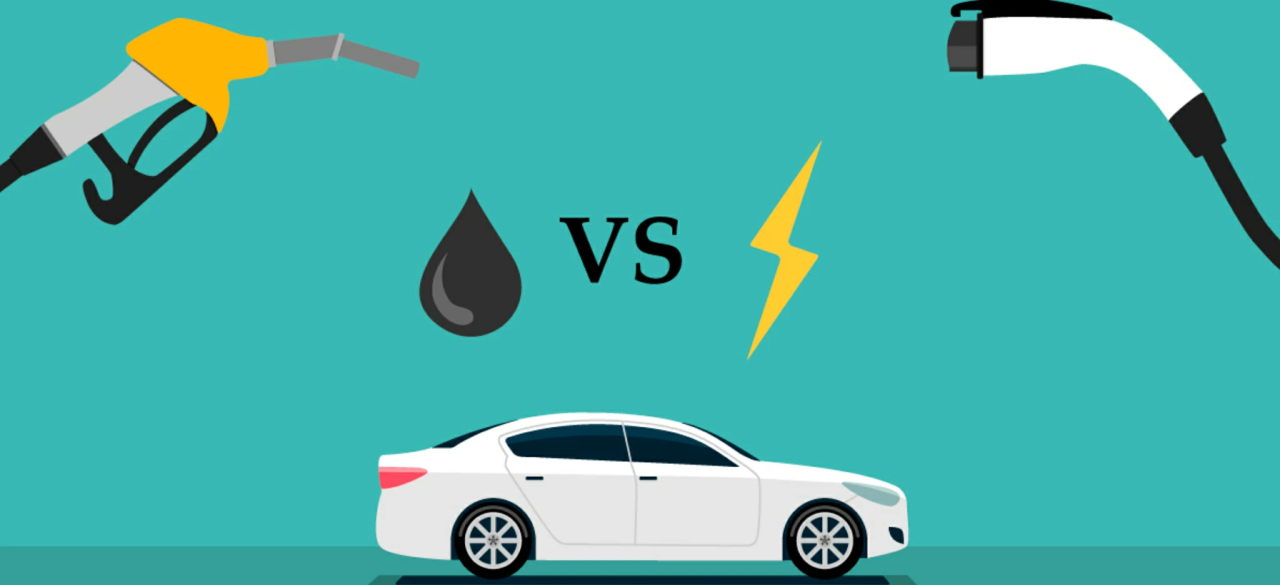
The global automobile industry is currently experiencing one of the most profound and significant transformations in its history, driven unequivocally by the rise of Electric Vehicles (EVs). Just a short decade ago, EVs were largely dismissed as futuristic novelties—expensive, niche products plagued by severe “range anxiety” and limited charging infrastructure. By 2025, the narrative has shifted completely. Automakers globally are locked in a fierce race to electrify their entire lineups, governments are adopting aggressive clean transportation policies, and consumer willingness to embrace electric mobility is at an all-time high. This movement is not merely a change in car models; it represents a complete, systemic rethinking of how we generate power, how we travel, and how we sustain our global transportation system.

The Foundation of the EV Boom: Technological Breakthroughs
The rapid acceleration of EV adoption is primarily rooted in relentless technological advancement, particularly in energy storage:
- Battery Revolution: Batteries have become significantly cheaper, lighter, and vastly more energy-dense. The common maximum range for new mid-range electric cars has expanded from a limiting 100–150 kilometers to a much more practical 400–600 kilometers, effectively eliminating range anxiety for the majority of daily commutes and long-distance travel. Furthermore, the overall cost of the battery, the single most expensive component, continues to fall, rapidly narrowing the price gap between EVs and their internal combustion engine (ICE) counterparts.
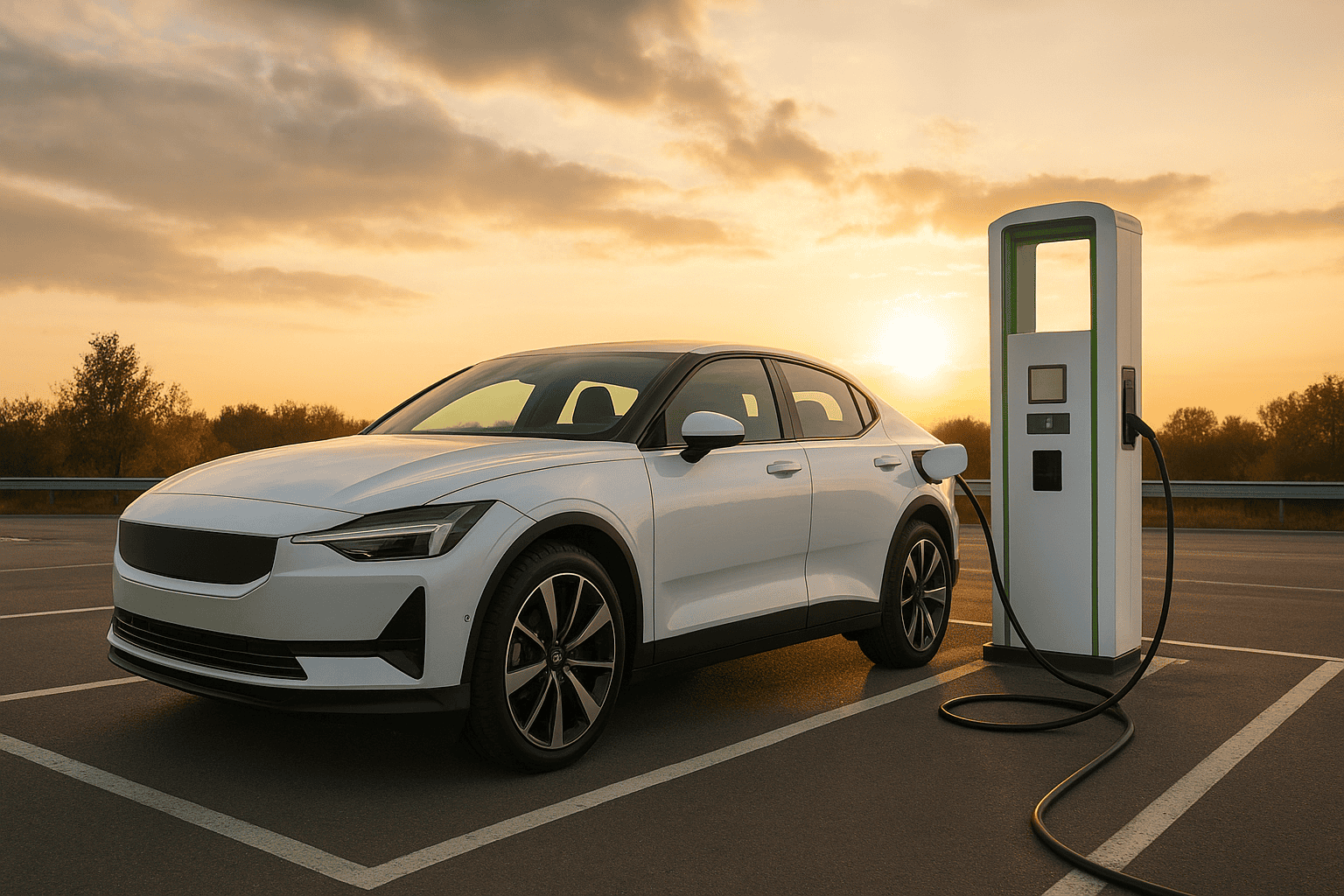
- Charging Infrastructure Expansion: The charging network has matured rapidly. Governments and private entities are investing heavily in expanding infrastructure along high-traffic routes and within urban centers. Innovations such as ultra-fast DC charging stations are now appearing, which are capable of restoring
of a battery’s charge in under 20 minutes, bringing the refueling experience much closer to that of traditional gas stations. The convenience of home charging also acts as a powerful incentive for adoption.
Environmental Imperatives and Policy Drivers
The second major force propelling the EV movement is the global focus on environmental consciousness and decisive government policy:
- Climate Change Mitigation: As climate change becomes a more urgent global issue, the imperative to reduce transportation-related carbon emissions—a major source of global greenhouse gases—has intensified. EVs produce zero tailpipe emissions, directly contributing to cleaner air in cities.
- Government Incentives and Mandates: Governments worldwide are actively promoting the transition through a combination of incentives (tax benefits, subsidies, reduced registration fees) and mandates. Numerous countries and regions, including the European Union and parts of North America, have announced firm deadlines for phasing out the sale of new gasoline and diesel cars entirely, signaling an irreversible market shift.
- Market Diversification: Automakers like Tesla, BYD, Hyundai, Volkswagen, and others are aggressively launching electric models across every vehicle segment, from small urban runabouts to SUVs and luxury vehicles. This proliferation ensures that EVs are no longer just a luxury niche but are becoming financially accessible options for the average consumer. Experts project that by 2025, one in four new cars sold globally could be electric.
The Road Ahead: Overcoming Key Challenges
Despite the surging momentum, the industry must navigate several complex challenges to sustain mass adoption:
- Raw Material and Supply Chain: The immense demand for batteries creates pressure on the supply chain for critical raw materials like lithium, cobalt, and nickel. Securing a stable, affordable, and ethically sourced supply remains paramount.
- Grid Capacity and Integration: The mass adoption of millions of EVs will place a significant and evolving strain on national electrical grids. Solutions will require massive upgrades to infrastructure, the integration of more renewable energy sources (like solar and wind), and the development of Smart Charging and Vehicle-to-Grid (V2G) technologies, which allow EVs to act as mobile power banks, stabilizing the grid during peak demand.
- Battery Recycling: Establishing a sustainable, circular economy for batteries is crucial. Investment in advanced recycling technology is necessary to recover valuable materials and responsibly manage the disposal of end-of-life battery packs.
- Next-Generation Batteries: Companies are heavily exploring solid-state batteries, which promise a significant leap forward in technology, potentially offering greater energy density (longer range), faster charging speeds, and enhanced safety compared to current lithium-ion models.
The Future of Mobility
Looking forward, the shift will extend far beyond personal cars. EVs are poised to dominate public transportation (buses), last-mile delivery fleets, and even heavy-duty trucking. The benefits are holistic: cleaner air, drastically quieter cities, reduced dependence on volatile global fossil fuel markets, and a significant reduction in the long-term operational costs for owners (lower fuel and maintenance expenses).
In 2025, the dramatic rise of the electric vehicle is more than a fleeting market trend; it is the definitive future of global mobility. The question that remains is not if electric cars will eventually dominate our roads, but simply how quickly the transition will be completed.