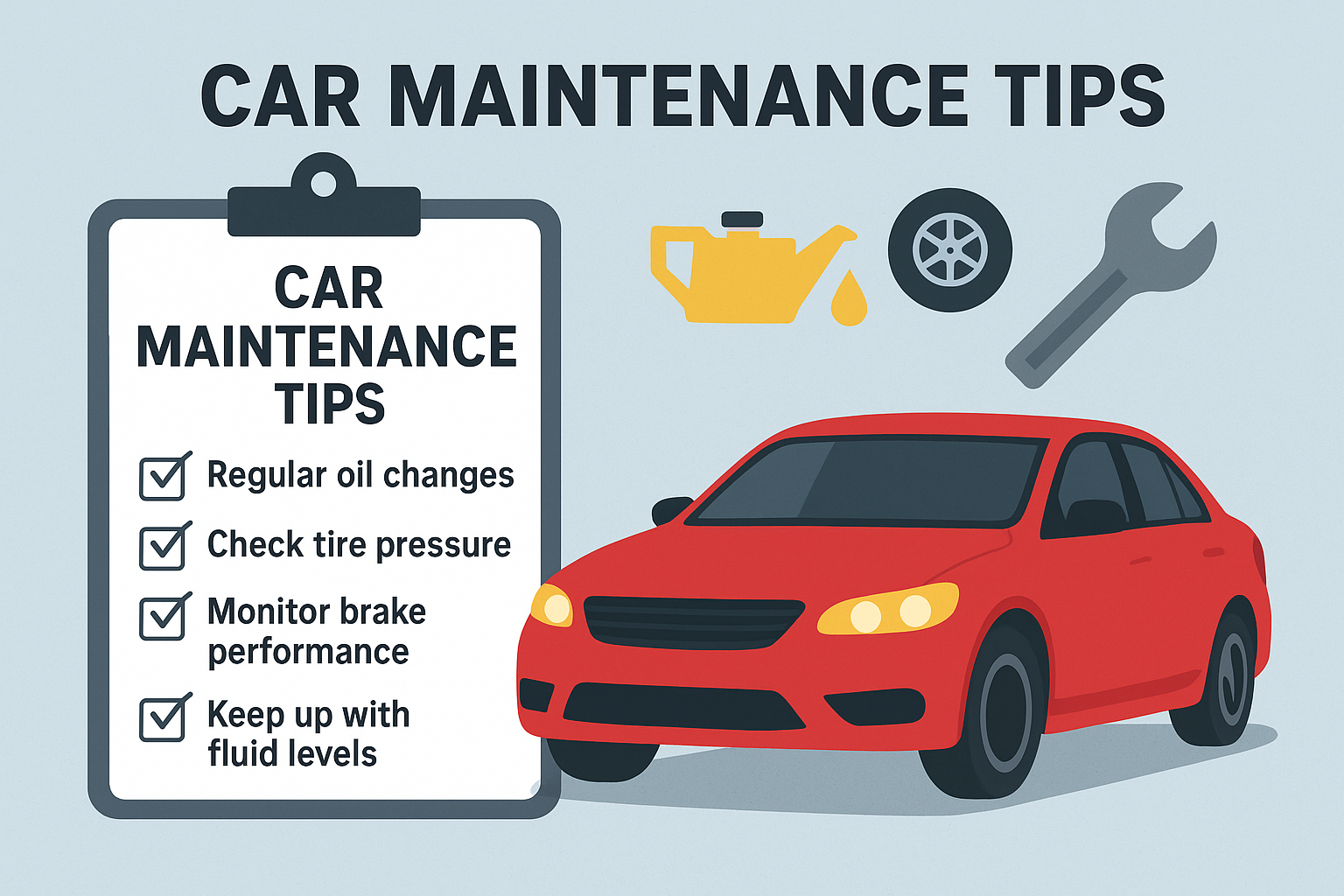

Top Tips for Maintaining Your Car and Extending Its Lifespan
Comprehensive Vehicle Care: A Blueprint for Longevity, Value, and Safety The commitment to meticulous car maintenance is an essential, multi-faceted investment that yields significant dividends in safety, long-term reliability, and financial prudence. A well-cared-for vehicle is not just a safer one; it’s an economic asset that retains a higher resale value, operates at peak efficiency, and actively prevents the expensive, disruptive repairs caused by neglect. The scope of proper vehicle stewardship extends far beyond the basic oil change or tire rotation, demanding a proactive, informed, and consistent approach to the car’s entire ecosystem.

The Foundational Pillars of Regular Inspection
At the core of vehicle longevity is the consistent attention to critical mechanical systems. The engine’s lifeblood, motor oil, must be checked and changed according to the manufacturer’s specifications—often between 5,000 and 10,000 miles in modern vehicles—to ensure proper lubrication, cooling, and prevention of harmful sludge buildup. Equally important are fluid levels—including coolant, brake fluid, transmission fluid, and power steering fluid—each vital for the correct function of its respective system. Low coolant can lead to engine overheating, while old or contaminated brake fluid compromises a vehicle’s most crucial safety feature.
The braking system, encompassing pads, rotors, and fluid, requires vigilant, typically semi-annual inspection, as worn components accelerate wear on other parts and dangerously degrade stopping power. Tires are another primary focus: checking pressure monthly (don’t forget the spare) to ensure optimal fuel efficiency, handling, and even wear; inspecting tread depth using the penny test; and rotating them every 6,000 to 8,000 miles to maximize their service life. Furthermore, belts and hoses must be visually inspected for cracking, fraying, or leaks, as their failure can lead to catastrophic engine damage. Promptly addressing even a flickering warning light on the dashboard or an unusual noise—be it a squeal, rattle, or thump—is critical, as minor issues rapidly escalate into major system failures if ignored.
The Indispensable Role of Seasonal and Environmental Preparation
A car’s maintenance needs shift dramatically with the seasons, making preparatory seasonal checks non-negotiable for all-year reliability. Winterizing a vehicle is crucial for colder climates and involves checking the battery’s strength (cold temperatures reduce its power output dramatically), ensuring the engine coolant has the correct antifreeze ratio to prevent freezing, and equipping the car with winter-grade wiper fluid and, if necessary, winter tires for better traction on icy roads. Conversely, summer preparation focuses on preventing overheating by inspecting the cooling system, hoses, and belts, and testing the air conditioning to ensure proper refrigerant levels and function. Seasonal maintenance also includes protecting the exterior and interior: regular washing and waxing shield the paint from UV rays, road salt, and environmental pollutants that cause corrosion and degrade the vehicle’s aesthetic value. Interior protection, such as using sunshades and conditioning leather, prevents sun damage and cracking, preserving the cabin’s condition.
Driving Habits: The Unseen Factor in Vehicle Longevity
The driver’s conduct behind the wheel is arguably the single biggest determinant of a car’s lifespan and the frequency of costly repairs. Smooth driving habits—gentle acceleration, gradual deceleration, and smooth steering—reduce enormous strain on the engine, transmission, brakes, and suspension components. Aggressive driving, characterized by rapid acceleration and hard braking, accelerates wear on tires, brake pads, and rotors, leading to premature replacement. Avoiding overloading the vehicle beyond its manufacturer-recommended capacity is essential, as excessive weight stresses the suspension, transmission, and braking systems. Furthermore, minimizing frequent short trips allows the engine to reach its optimal operating temperature, which is necessary for efficient combustion and full lubrication, thereby mitigating wear on internal engine parts.
The Value of Professional Expertise and Documentation
While daily checks and careful driving form the groundwork, the long-term health of a vehicle relies on following the manufacturer’s service schedule meticulously. This schedule is a meticulously engineered roadmap of preventive services designed to keep every component functioning optimally. Adherence ensures the warranty remains valid, which can save thousands in the event of a major defect. Investing in high-quality replacement parts and recommended fluids (e.g., synthetic oil, correct viscosity) also contributes significantly to performance and longevity. Lastly, maintaining detailed service records—a verifiable history of all maintenance and repairs—is paramount. This documentation not only assures potential buyers of the car’s well-being, directly contributing to a higher resale price, but also provides a clear reference point for technicians performing future work. Through this combination of diligent daily habits, seasonal attentiveness, responsible driving, and professional service adherence, car owners transform maintenance from a mere chore into a powerful strategy for maximizing their vehicle’s efficiency, safety, and financial value over its entire lifetime.